

After 8 years of implementing the Dong Dang - Tra Linh expressway project, Cao Bang province has drawn practical lessons on selecting and coordinating with investors of comprehensive capacity, a key factor for the success of transport infrastructure projects under the PPP method.
On January 10, 2026, in Cao Bang, a delegation from Tay Ninh province, led by Mr. Le Van Han, Deputy Secretary of the Provincial Party Committee and Chairman of the Tay Ninh Provincial People's Committee, visited to learn and exchange experiences from Cao Bang province, with a particular focus on local transport infrastructure development.
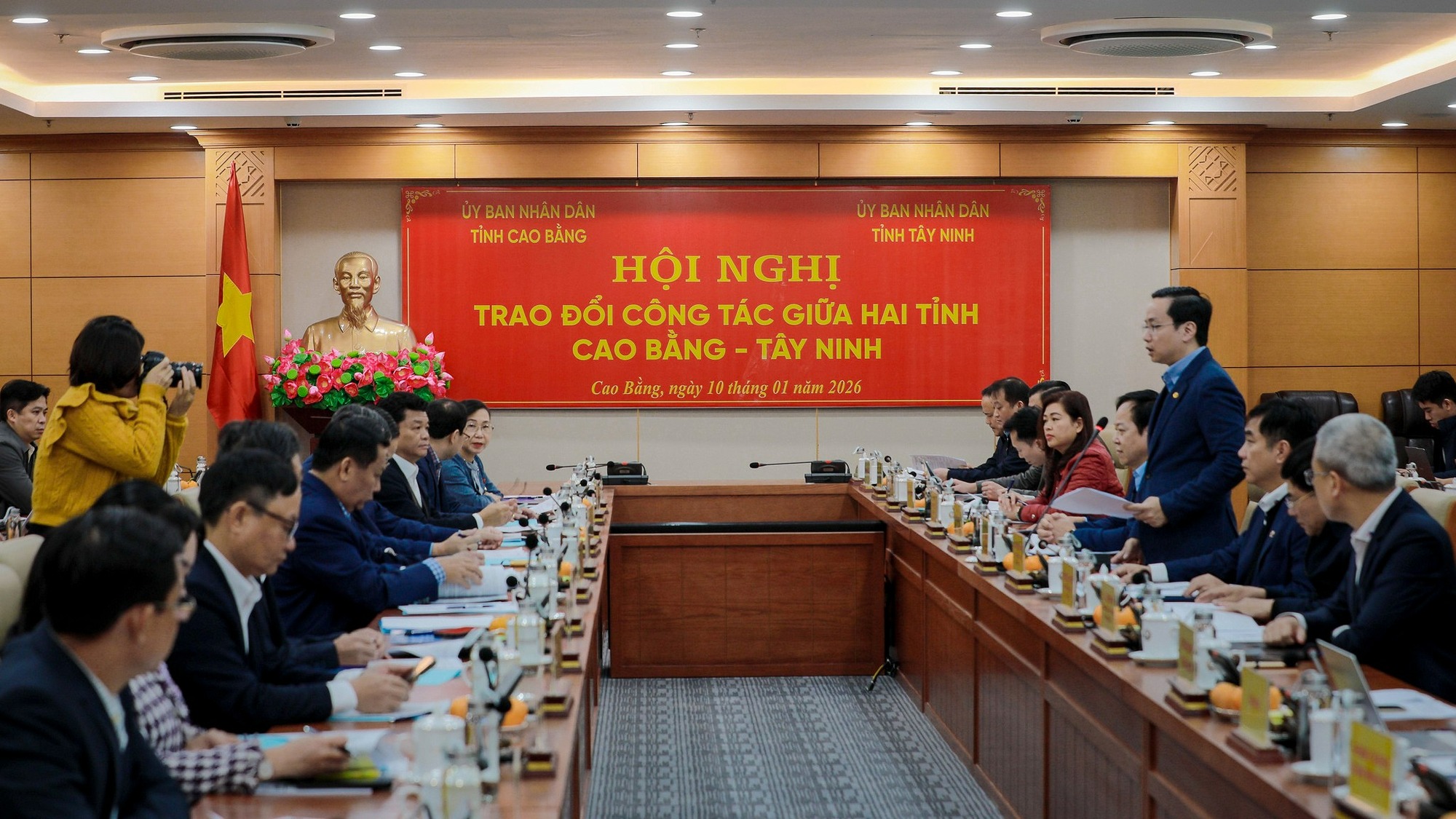
Overview of the working exchange conference between Cao Bang and Tay Ninh provinces.
Turning “bottleneck” into “fulcrum” for breakthroughs
“The expressway has been a lifelong dream for many generations of the government and people of Cao Bang province”, affirmed Mr. Le Hai Hoa – Deputy Secretary of the Provincial Party Committee and Chairman of the Cao Bang Provincial People's Committee, in the opening segment of the working exchange conference between the two provinces. The meeting focused on experiences in organizing and implementing the Dong Dang-Tra Linh Road expressway project, which is invested under the PPP method, with the Cao Bang Provincial People's Committee as the Competent State Authority and DEOCA Group leading the investor consortium.
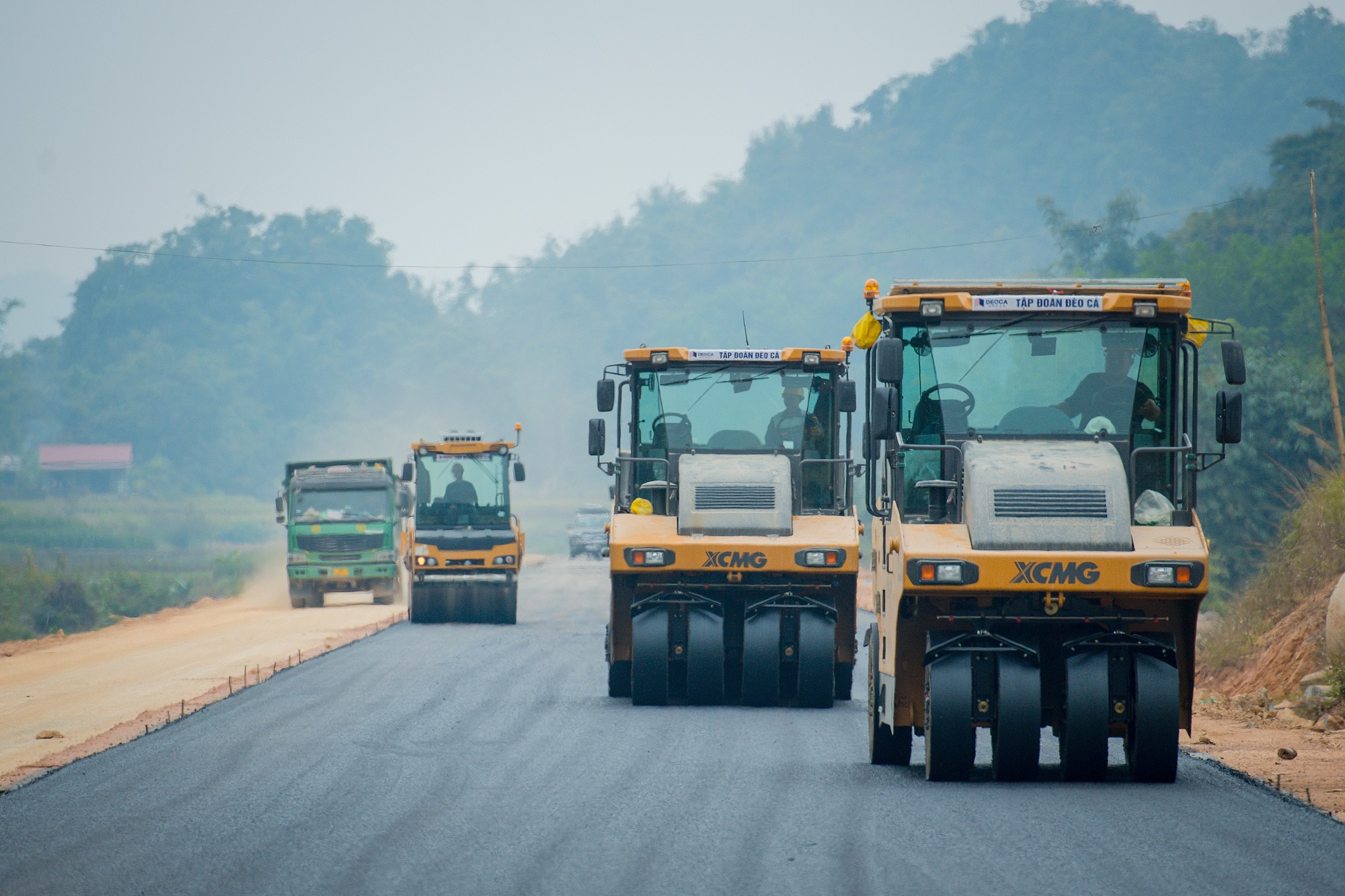
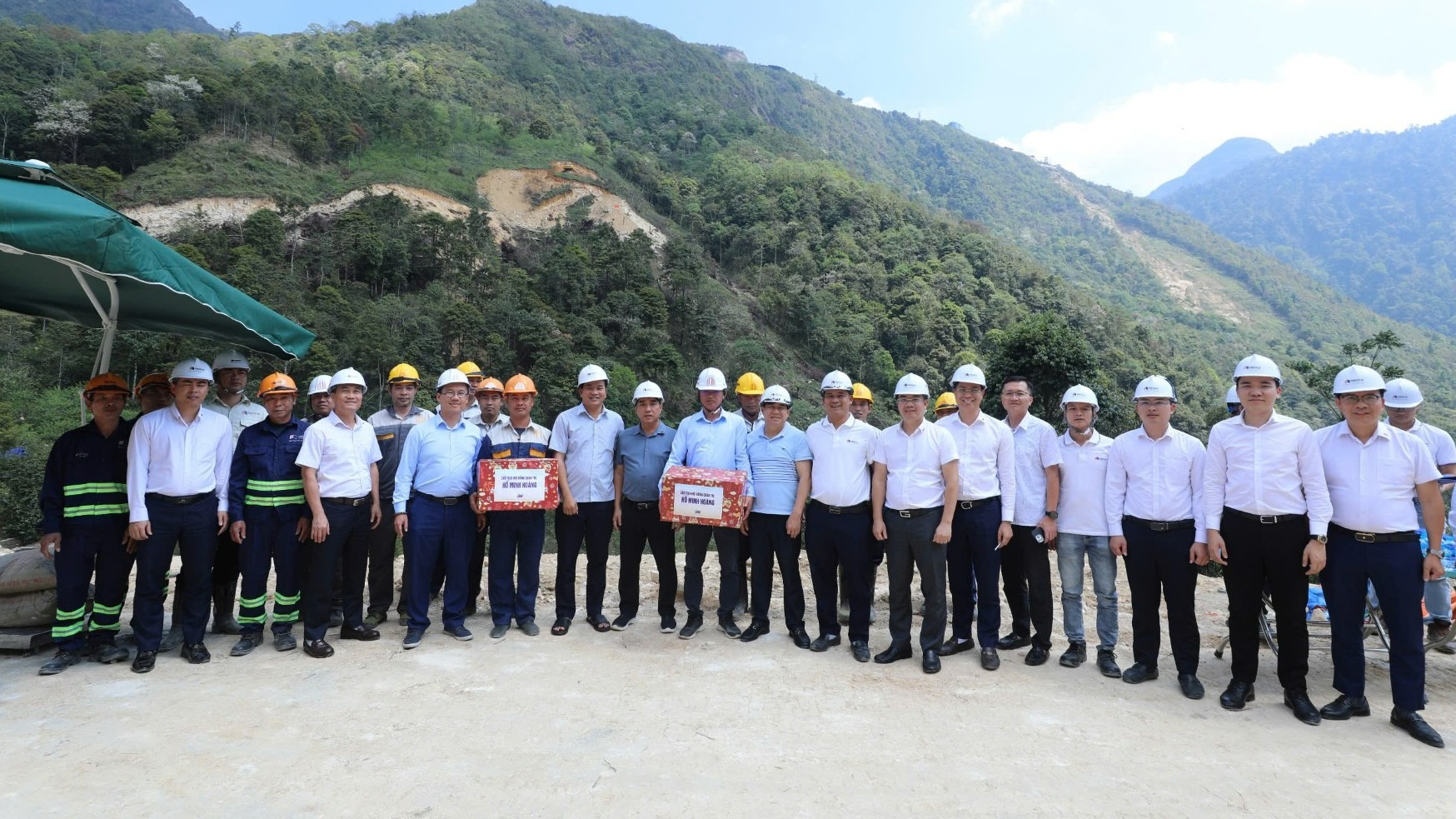
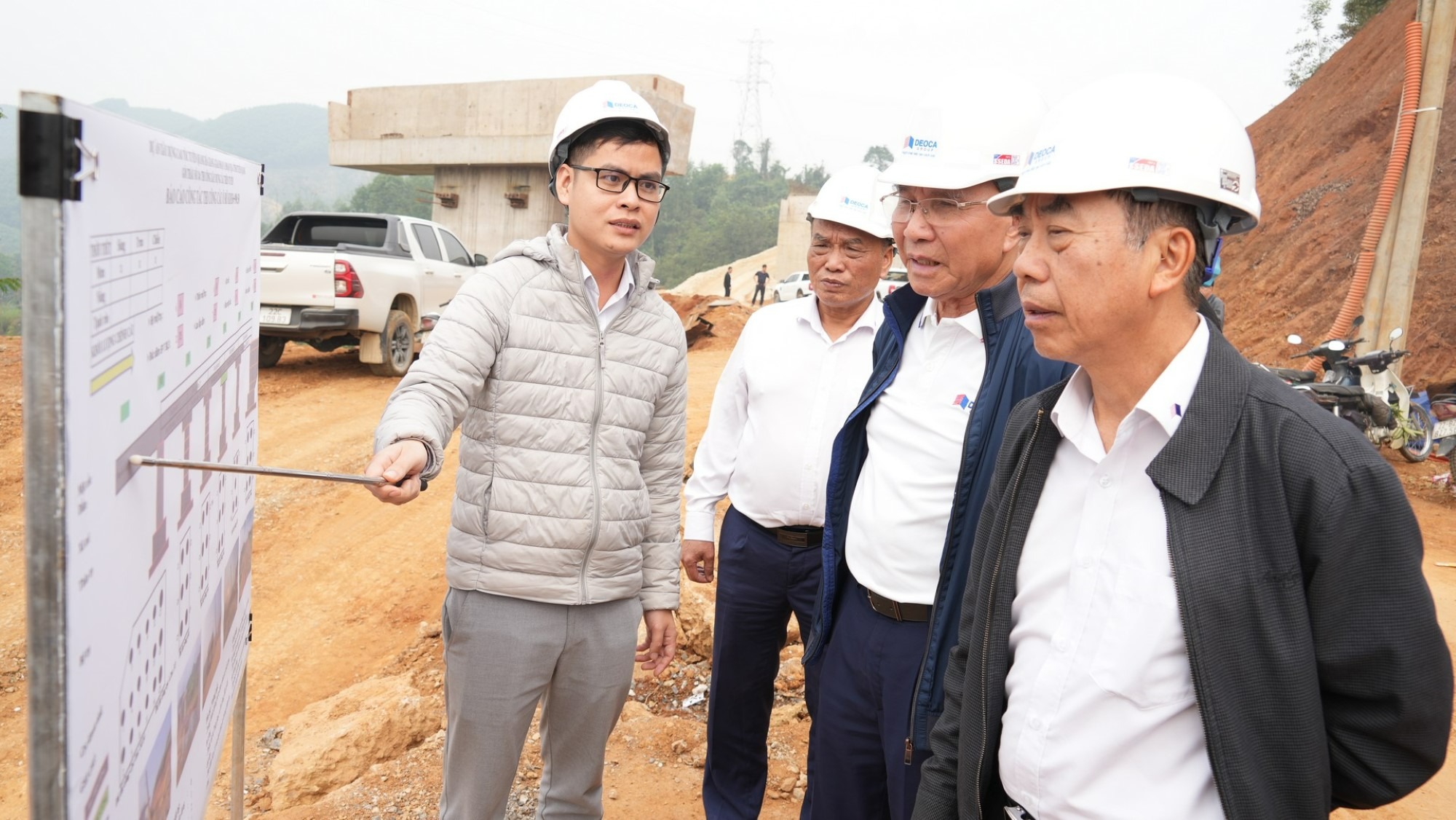
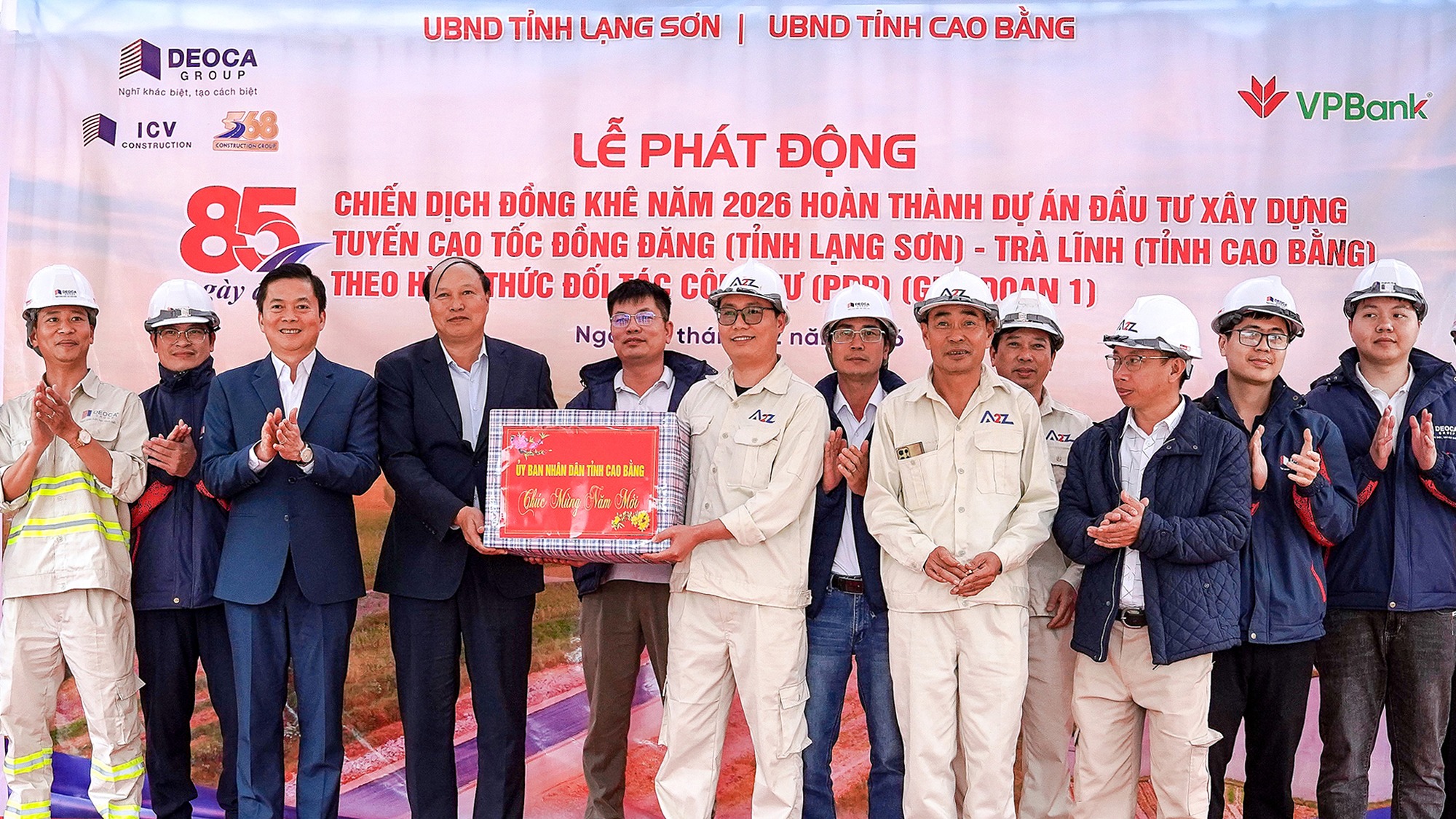
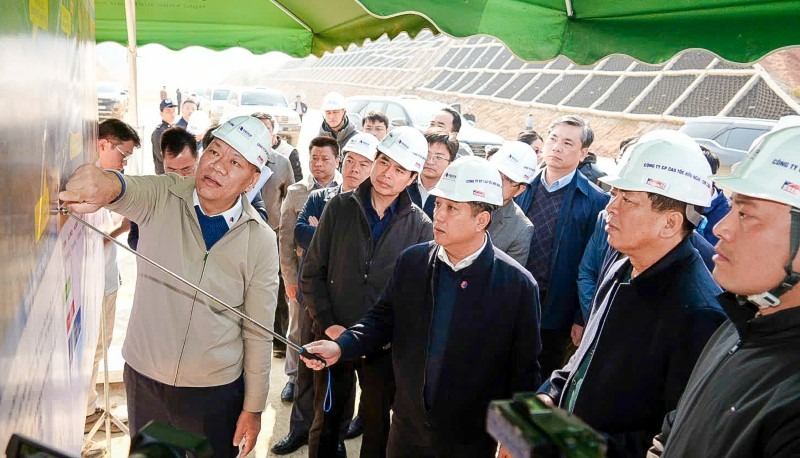
Construction along the Dong Dang - Tra Linh expressway route.
This is not merely a sentimental statement; it accurately reflects the reality of a province with the longest border with China (333 km) yet lacking a modern transport system to become a prime gateway for regional economic connectivity.
From a poor province with rugged terrain, Cao Bang is realizing its dream of a breakthrough step-by-step, thanks to the Dong Dang - Tra Linh expressway project. According to representatives of Cao Bang province, the Dong Dang - Tra Linh project, on one hand, helps connect Cao Bang with domestic economic centers, and on the other hand, opens a strategic route to China's more distant inland markets - to the west and southwest - heading towards Central Asia and Europe.
Holding a strategic role and immense political significance, this expressway project has always received attention from the leaders of the Party and the State, who hold high expectations that it will remove the topographic “bottleneck” of the Northeast region to clear the flow of goods, creating a road that “transforms traffic flow into economic value”.
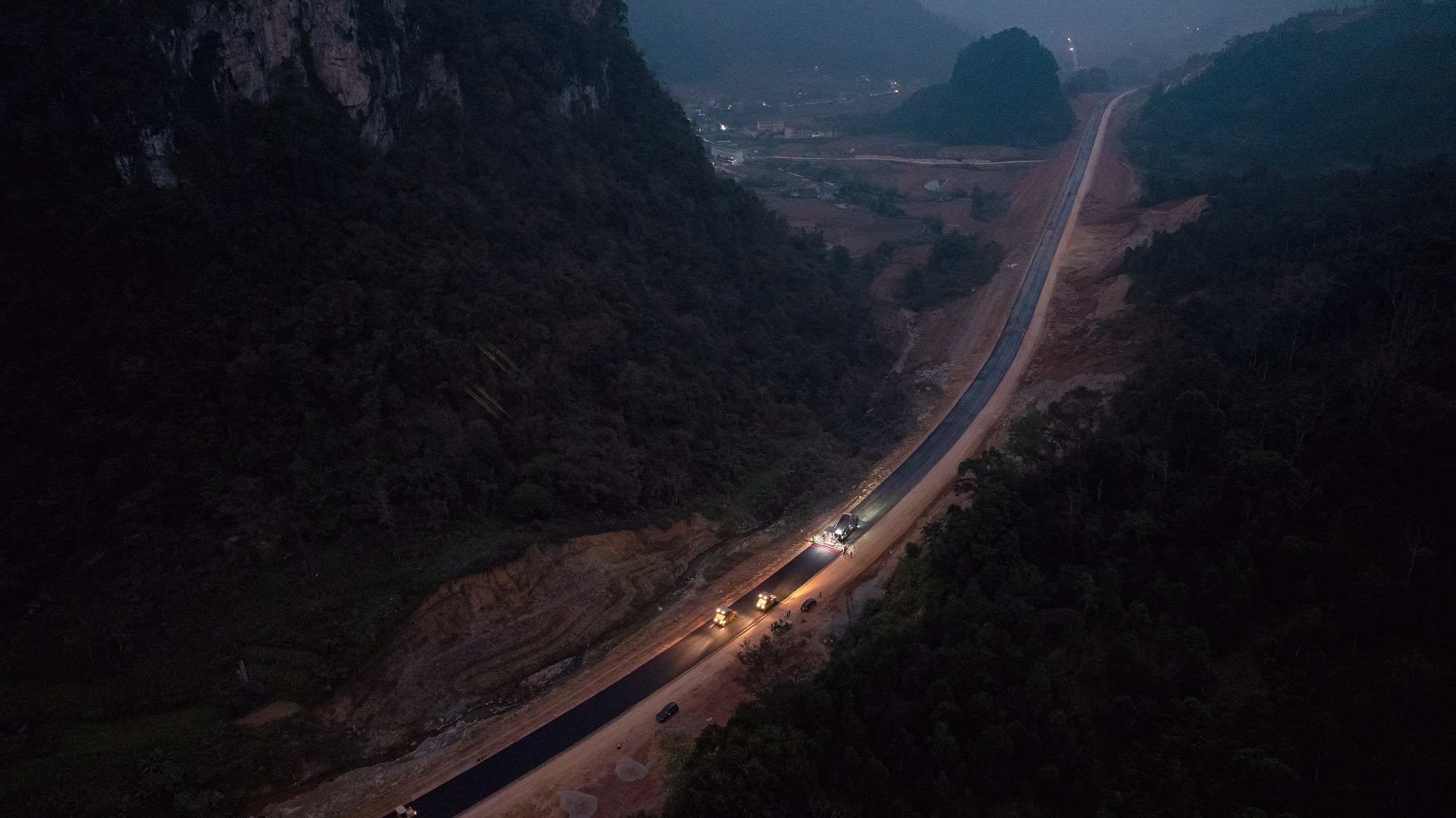
Cao Bang is realizing its dream of a breakthrough step-by-step, thanks to the Dong Dang - Tra Linh expressway project.
However, reality showed that the path to the “expressway dream” was not easy. Although the project had been planned since 2015, many businesses arrived and subsequently withdrew during the initial stage due to difficulties regarding mechanisms, capital sources, and the payback period problem. The turning point emerged in 2018 when Cao Bang province selected DEOCA Group - an entity with experience in “rescuing” and successfully organizing the implementation of the Bac Giang - Lang Son expressway - to join the project.
“Inviting DEOCA was a strategic push that helped Cao Bang escape its transport infrastructure bottleneck”, the Chairman of the Cao Bang Provincial People's Committee affirmed when discussing DEOCA Group's role in implementing the project.
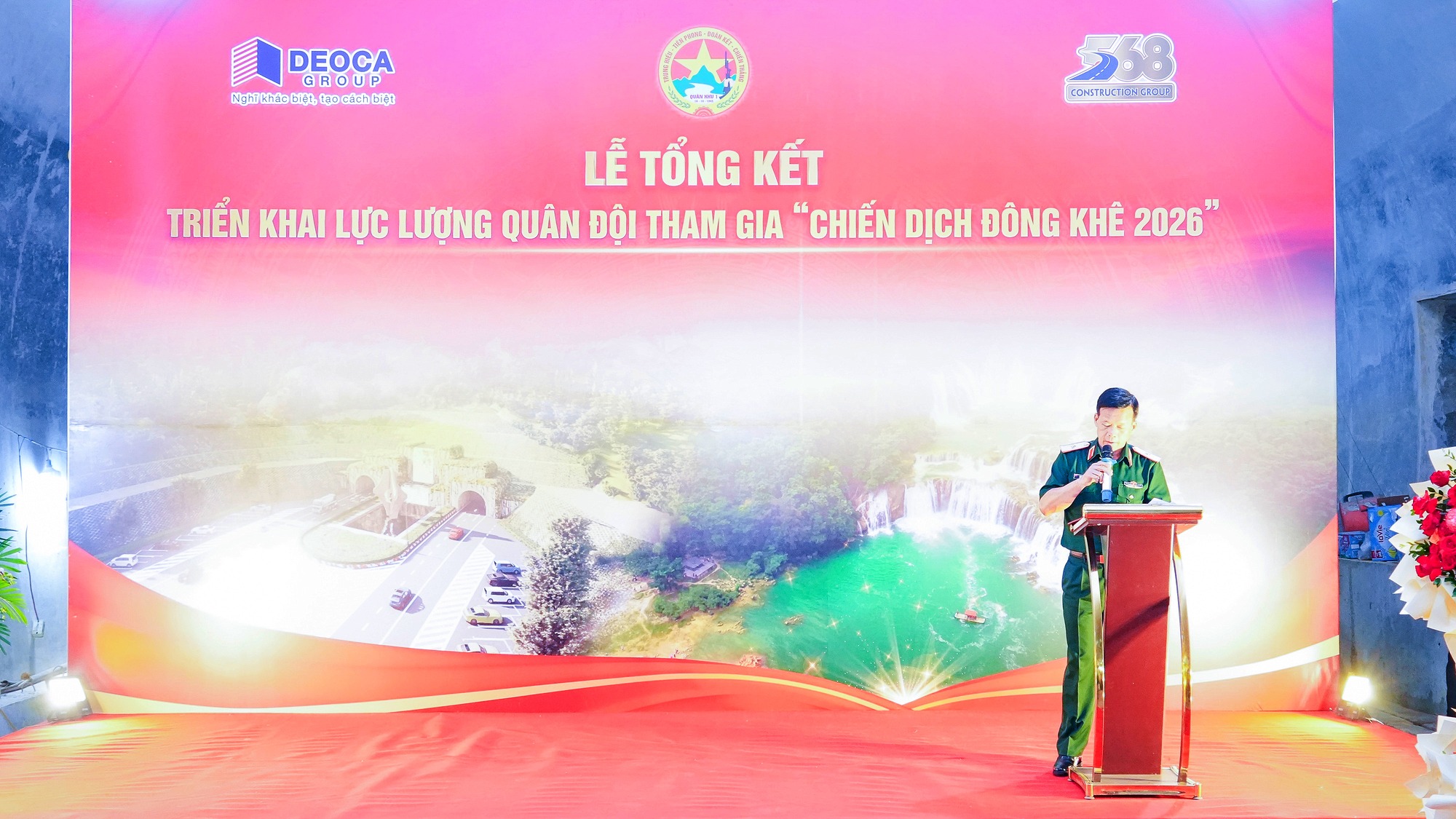
According to Mr. Le Hai Hoa, throughout the past 8 years, the Cao Bang government and DEOCA have together overcome challenges in mechanisms, policies, and capital to bring the project into a stable orbit. Phase 1 of the project successfully achieved through-traffic on December 19, 2025; once completed, the project will serve as a prime example of transforming a transport infrastructure system from a “bottleneck” into a breakthrough “fulcrum”.
Cao Bang’s “costly” lessons
Absorbing the opinions and questions from the Tay Ninh provincial delegation regarding practical experience in managing PPP transport infrastructure projects - specifically coordination mechanisms and flexible, drastic approaches - the Chairman of Cao Bang stated that the prerequisite for successfully implementing a PPP project is the mindset that “cannot leave everything to the investor”. Instead, both sides must sit together to resolve difficulties and share benefits in the true spirit of public-private partnership.
From the reality of implementation over the past 8 years, Mr. Le Hai Hoa stated that Cao Bang province has drawn many “costly” lessons. Notably, finding an investor with comprehensive capacity is identified as finding a “master architect” to create and resolve the changes that any PPP project will inevitably encounter, such as the Dong Dang - Tra Linh project, where the investment scale is massive, but revenue flow is planned in the future.
This is the lesson placed at the forefront because, according to Mr. Hoa, an investor's capacity is not limited to capital mobilization. It must encompass technical expertise, risk management, contractor coordination, and especially the experience of walking side-by-side to resolve inadequate mechanisms in similar projects, as demonstrated by DEOCA Group.
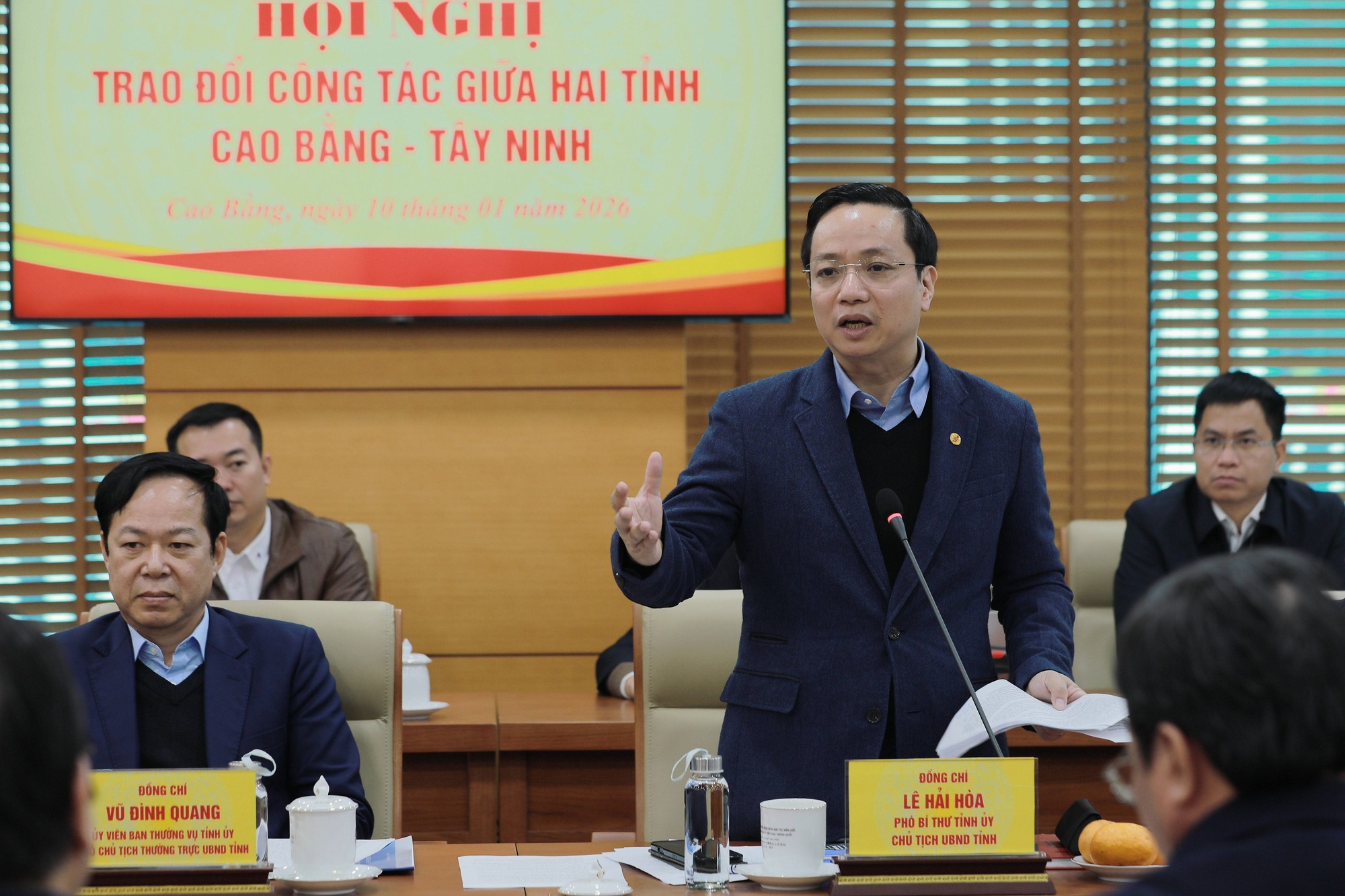
Mr. Le Hai Hoa – Deputy Secretary of the Provincial Party Committee and Chairman of the Cao Bang Provincial People's Committee, speaking at the conference.
One equally important lesson is organizing the project in phases, with a clear roadmap and steady steps. This viewpoint received consensus from delegates who agreed that PPP projects should be implemented using a “Sequential implementation” approach (cuốn chiếu), prioritizing sections with fewer conflicts and avoiding mass site clearance before resettlement conditions are ready, to prevent risks when route adjustments are required later.
The issue of “long-term accountability locking” was also addressed with particular importance. “With the PPP model, interests must be tied to operations and maintenance”, Mr. Le Hai Hoa pointed out regarding this binding mechanism.
The Chairman of Cao Bang also advised that Tay Ninh province should take note of factors such as specific topography, geology, and climate. Mr. Le Hai Hoa emphasized the importance of forecasting and preparing for risks, as risk management capability is one of the vital criteria for assessing an investor's comprehensive capacity.
The lesson on creating social consensus also holds a significant place in Cao Bang's experience. Because the implementation of a large-scale, long-term project like the Dong Dang – Tra Linh expressway requires the synchronized involvement and drastic leadership of Party committees and authorities at all levels, along with close and regular coordination among departments, agencies, and local sectors.
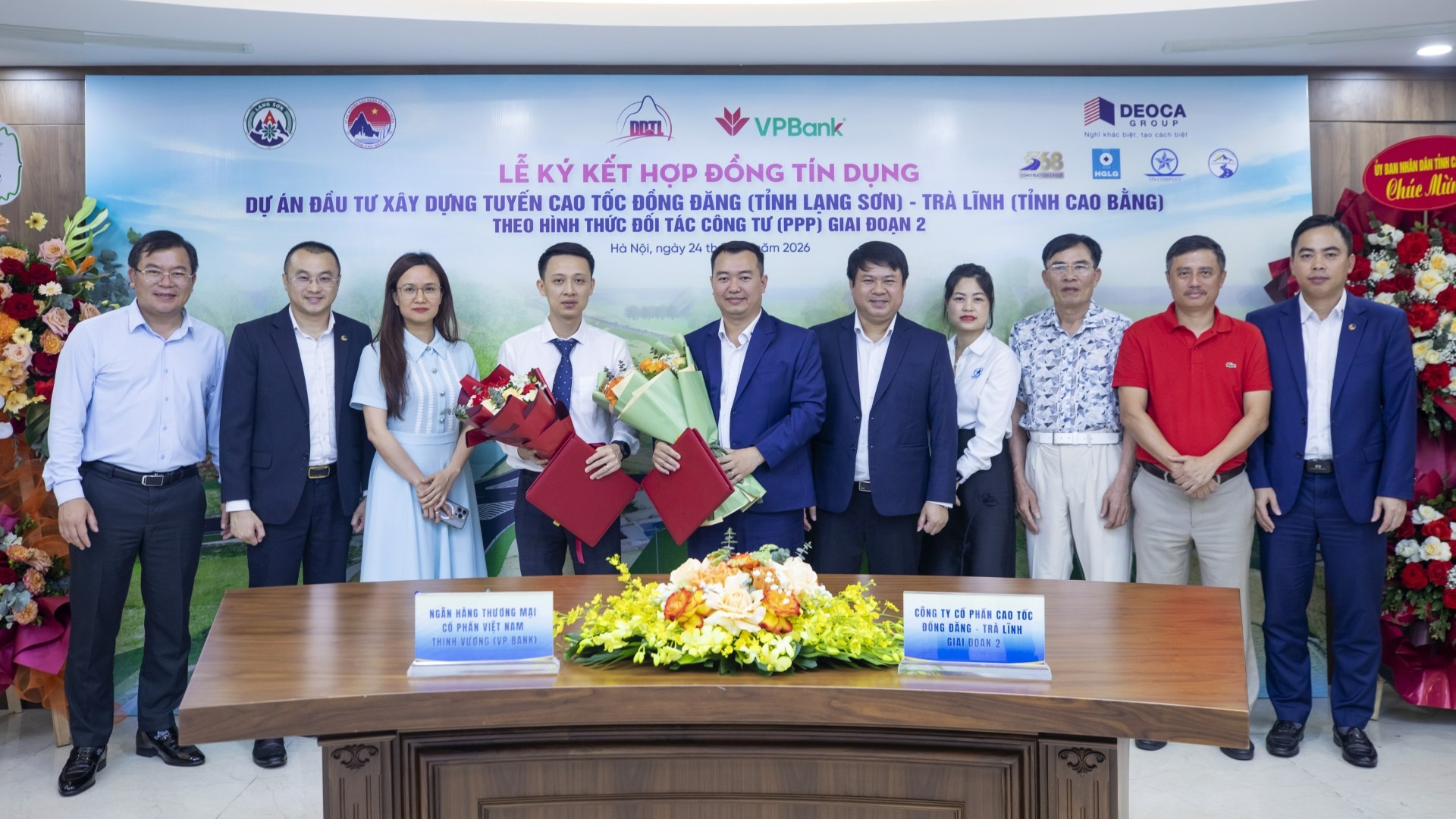
Particularly, according to Cao Bang's leadership, the political fulcrum from the Central Government is indispensable. The attention and support from leaders of the Party and State served as the driving force, helping the project overcome its most difficult stages. On that foundation, calculating the route, determining the total investment, and ensuring transparency in payment mechanisms are prerequisites to avoid capital shortages, resource waste, and to build trust with credit institutions.
According to Mr. Le Hai Hoa, a PPP project is only truly sustainable when traffic volume and revenue are determined realistically. This is the “financial foundation” that provides peace of mind for investors and ensures banks are ready to participate.
All the above factors are connected through the Project Steering Committee and the Assisting Team - acting as the “hands and brains” of the entire project. The Dong Dang – Tra Linh expressway Project Steering Committee, established in October 2018, gathered the entire political system of Cao Bang province and the investor, with the direct participation of DEOCA Group in the roles of accountability, critique, and absorbing instructions.
According to Mr. Ho Minh Hoang, Chairman of DEOCA Group, it is precisely the mechanism of harmonizing interests and the strict working regulations of the Steering Committee that have helped the project steadily enter an orbit of success, becoming a model for Central Government guidance and a study for other localities to apply.
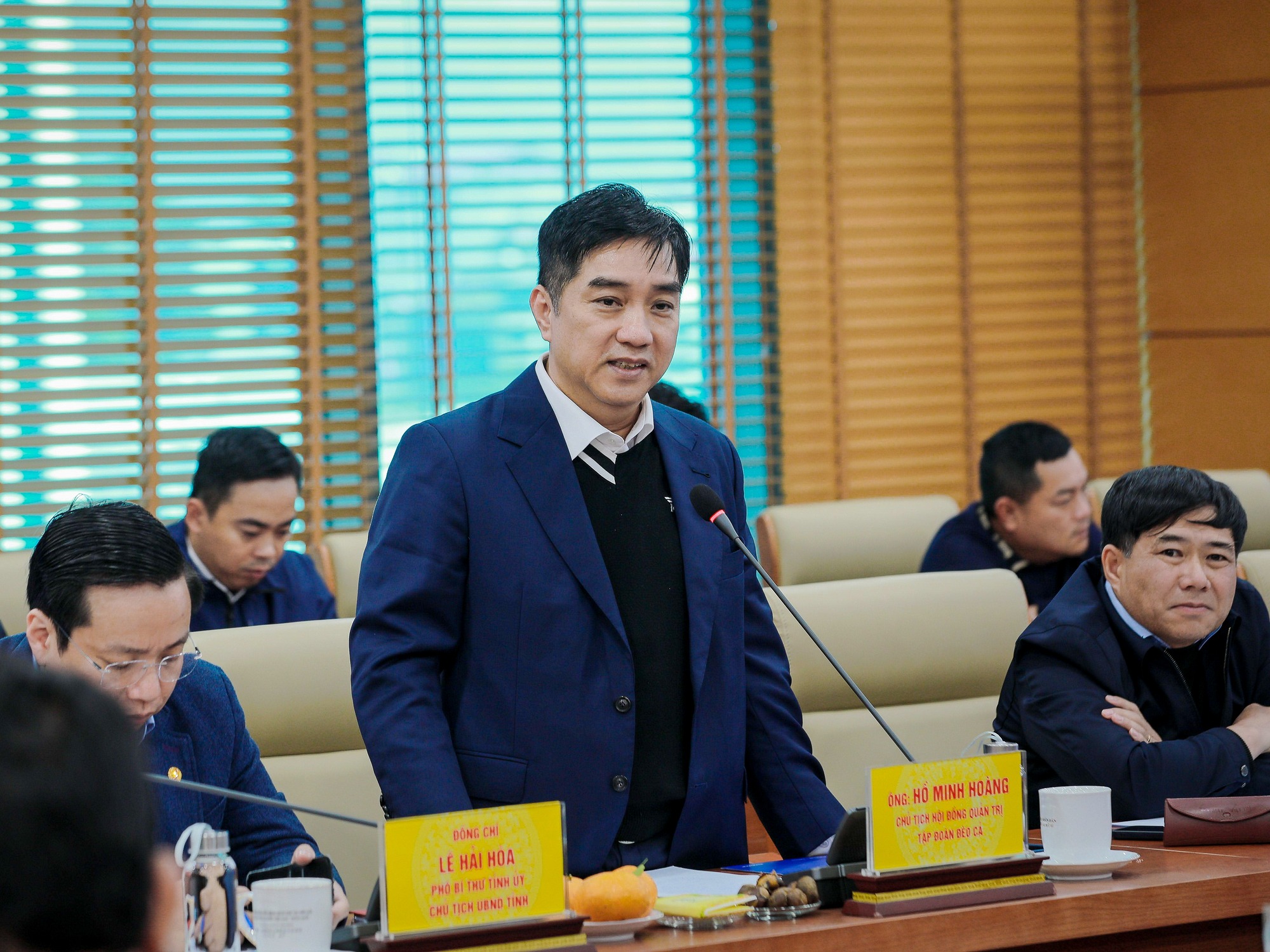
Mr. Ho Minh Hoang – Chairman of the Board of Directors of DEOCA Group, speaking at the conference.
Speaking at the Conference, Mr. Le Van Han, Deputy Secretary of the Provincial Party Committee and Chairman of the Tay Ninh Provincial People's Committee, highly appreciated the passionate insights from Cao Bang province and DEOCA Group. He affirmed that the lessons learned during the implementation of the Dong Dang - Tra Linh expressway will create a foundation for Tay Ninh to promote the Ho Chi Minh City Ring Road 4 project, the section passing through Tay Ninh province, which is approximately 78 km long.
The project is currently rushing to complete procedures, site clearance, and the selection of investors for component projects, with simultaneous groundbreaking expected in 2026 under the Public-Private Partnership (PPP) method.
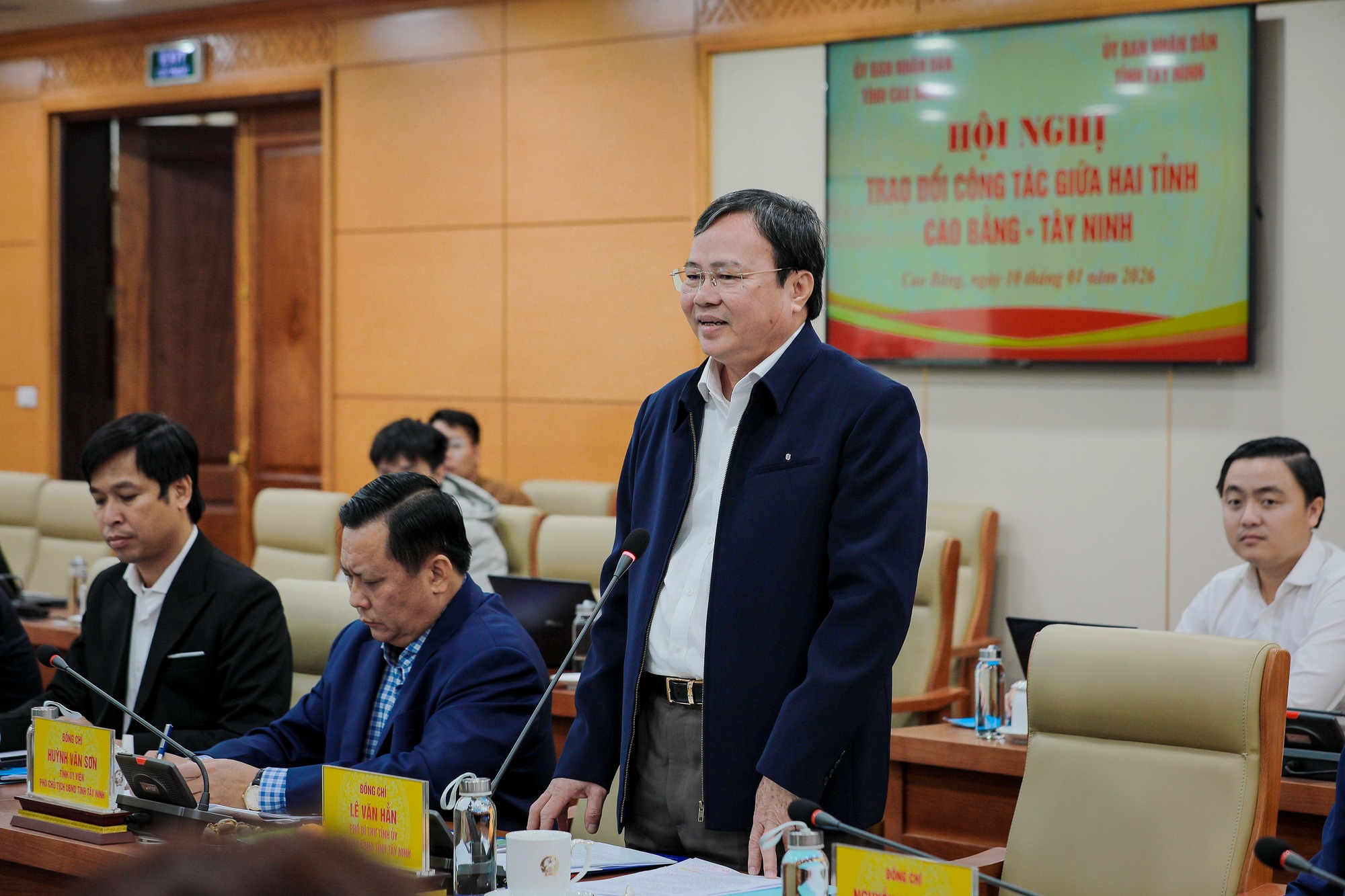
Mr. Le Van Han – Deputy Secretary of the Provincial Party Committee and Chairman of the Tay Ninh Provincial People's Committee, speaking at the conference.
In the context of Vietnam entering a new stage of development with a massive demand for infrastructure investment, finding investors with comprehensive capacity is a prerequisite for the success of key national projects.
“No matter what model is applied, we must return to a very fundamental principle: having trust in one another, specific responsibilities for all parties, and the sharing of the local government with the enterprise”, the Chairman of DEOCA Group affirmed. Within this principle, the role of the investor's presence in the Project Steering Committee will serve as a bridge to resolve bottlenecks in mechanisms, technicalities, and finance for PPP projects.
Regarding the role of the “Chief architect” in the practical implementation of transport infrastructure projects under the PPP method, Economist Dr. Le Xuan Nghia remarked: “Infrastructure is not just a story of capital mobilization. The key issue also lies in the capacity to organize and execute the project. For large-scale projects involving many participating entities, the crucial point is the need for an organizational mechanism strong enough to coordinate those resources and bind responsibility to the very end. Who steps up to organize, and who takes overall responsibility for the final progress, cost, and operational outcome - that is the core question”. |
News: Bac Hiep – Photos: Tuan Linh