

As Vietnam enters a new phase of development with increasingly large infrastructure demands, the effective mobilization of social resources - combined with execution discipline and transparency - has become a matter of strategic importance. According to financial and economic expert Dr. Le Xuan Nghia, alongside traditional Public-Private Partnership (PPP) models, new practical approaches such as PPP++ or PPP++/BT++, which have been successfully pioneered by DEOCA Group (PPP++ is a highly specific chain of discipline: clear milestones for each task, comprehensive acceptance at every stage, cash flow strictly tied to tangible deliverables, with responsibility that cannot be shifted or evaded. Long-term accountability serves as the foundation for sustainable project operation, while simultaneously protecting the reputation of the investor, offering potential solutions for medium- and long-term infrastructure challenges.
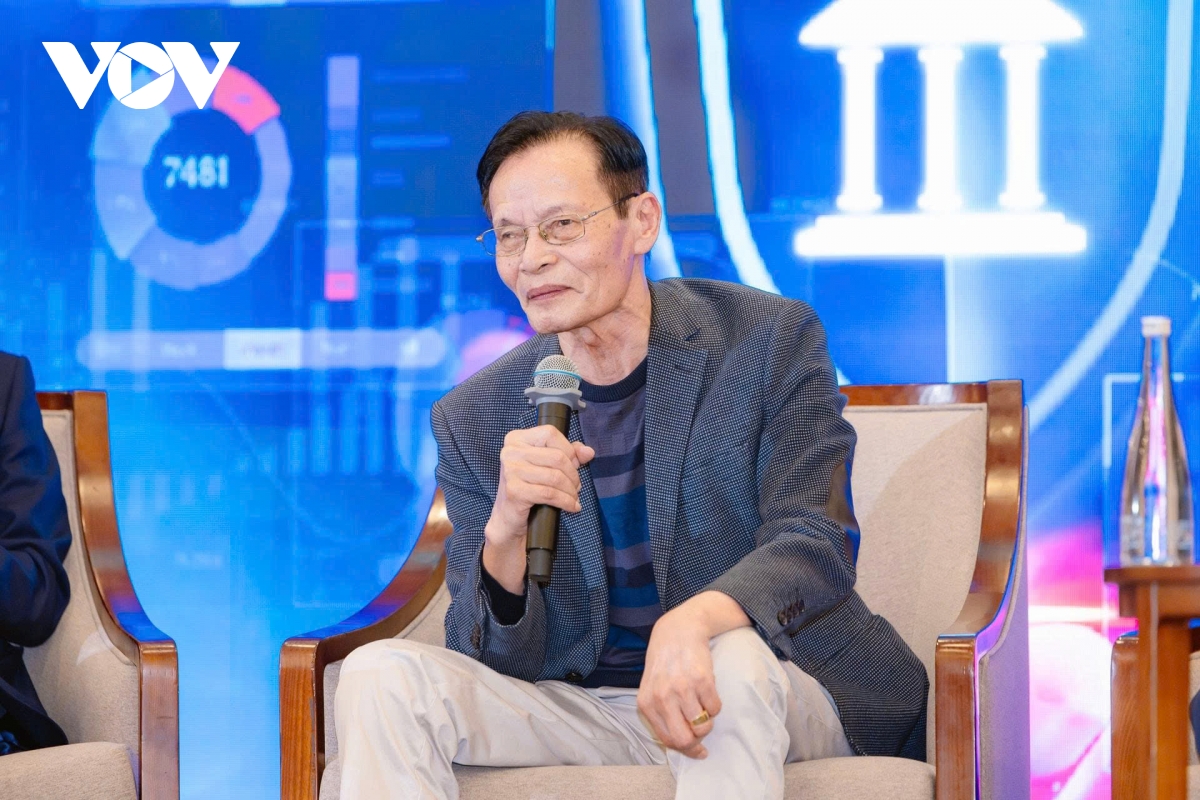
Reporter: Dear Dr. Le Xuan Nghia, as Vietnam enters a new development phase with massive infrastructure needs, while fiscal space is limited, from a macroeconomic perspective, how do you assess the current requirement to mobilize social resources for infrastructure development?
Dr. Le Xuan Nghia: From a macroeconomic perspective, it is evident that Vietnam’s infrastructure demands remain vast while state budget resources are limited. This demands a stronger mobilization of social resources to meet medium- and long-term growth requirements.
However, infrastructure is not just a matter of fundraising. The key issue remains the capacity to organize and implement projects. Practical experience shows that in large-scale projects involving multiple stakeholders, the greatest risk is not a lack of capital, but rather the absence of a mechanism robust enough to ensure progress, control costs, and enforce accountability to the end.
If these elements are not rigorously designed and operated from the outset, projects can easily fall into delays, cost overruns, and fragmented responsibility. This is a common challenge in current infrastructure implementation, particularly for large-scale projects with extended execution timelines.
Reporter: In your opinion, what do current infrastructure implementation practices in Vietnam demand in terms of project organization and governance, especially for complex works with many participants?
Dr. Le Xuan Nghia: Practice shows that site clearance, legal procedures, long-term capital, construction organization, and operations are inseparable components. If each stage is handled according to its own logic without unified coordination, the project is highly prone to a breakdown in accountability during implementation.
For large-scale projects involving multiple entities, the core question is: who organizes it, and who holds overall responsibility for the final timeline, costs, and operational outcomes? This is the fundamental challenge.
From these practical requirements, I have observed new approaches emerging in project organization through my research. A prime example is the PPP++ model applied in several recent PPP projects. This model is understood as an integrated project organization system, where the lead investor's role extends beyond fundraising and contract signing. Instead, they take on integrated organizational capacity, encompassing project governance, construction coordination, progress and quality control, and linking cash flow directly to tangible deliverables while binding all parties' responsibilities throughout the project lifecycle.

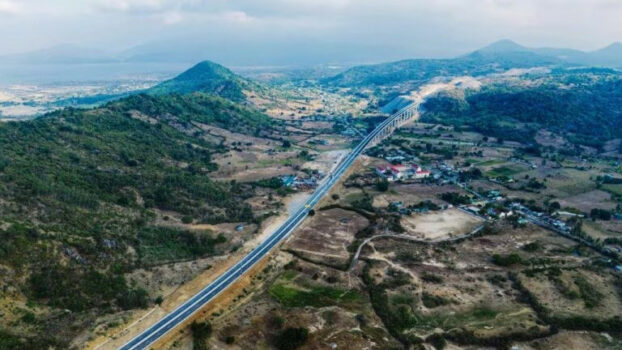
The Bac Giang - Lang Son expressway is becoming a backbone transport axis for import-export trade between Vietnam and China.
Many view PPP++ merely as a way to expand capital mobilization for PPP projects. In my view, however, the core of this approach lies not in capital, but in project discipline. While traditional PPP is primarily an institutional framework for fundraising and contractual responsibility allocation, PPP++ represents a significant advancement in organizational execution. It integrates public and private resources into a unified system with a clear point of accountability. Simultaneously, it tightens governance discipline to prevent fragmented responsibility, progress disruptions, and uncontrollable cost overruns.
In short, this approach shifts the focus from the question of “how to start the project” to “how to complete the work on schedule and operate it effectively in reality”. This is an increasingly evident requirement for major infrastructure projects in the current context.
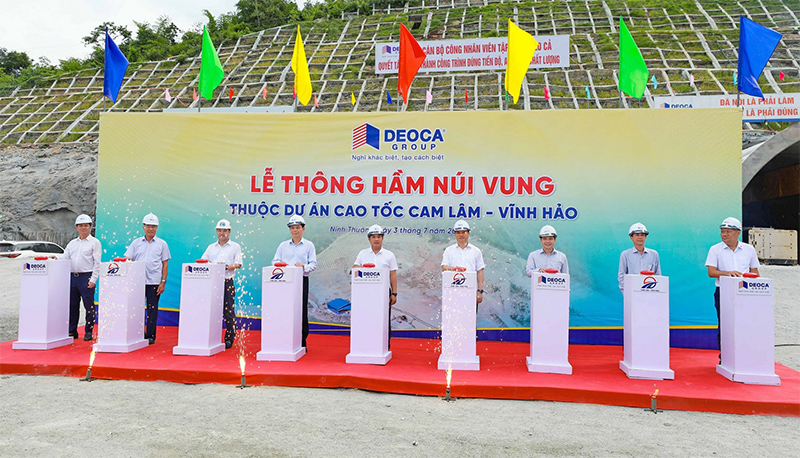
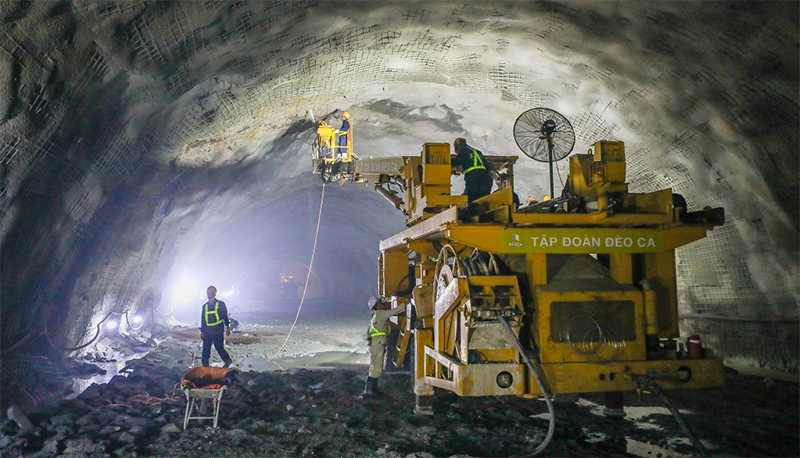
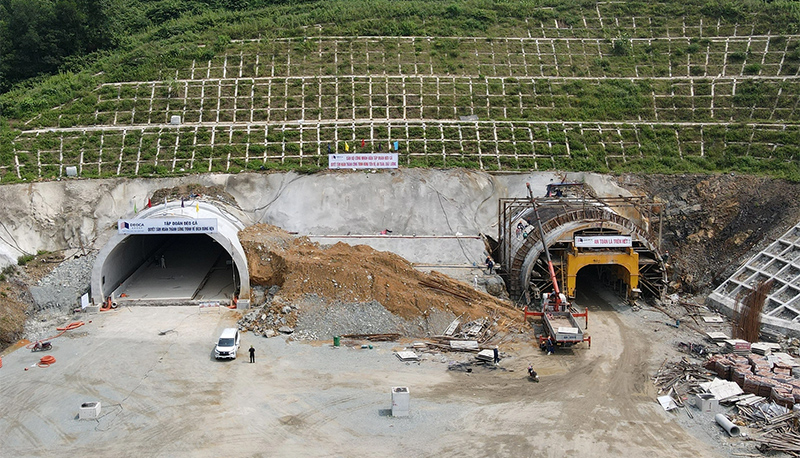
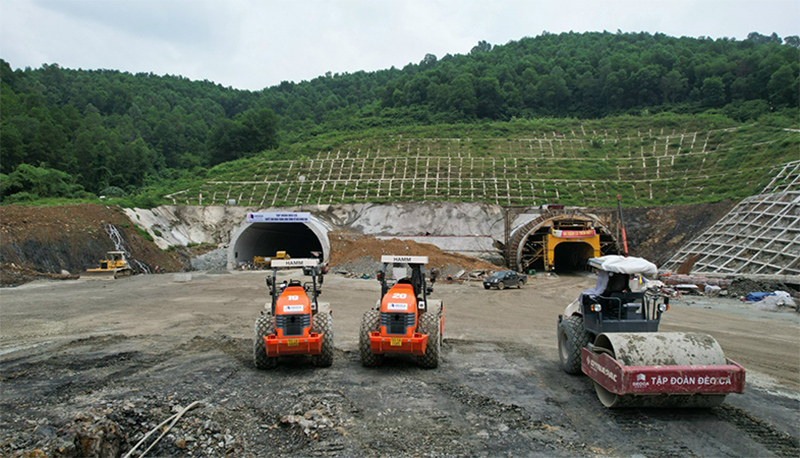
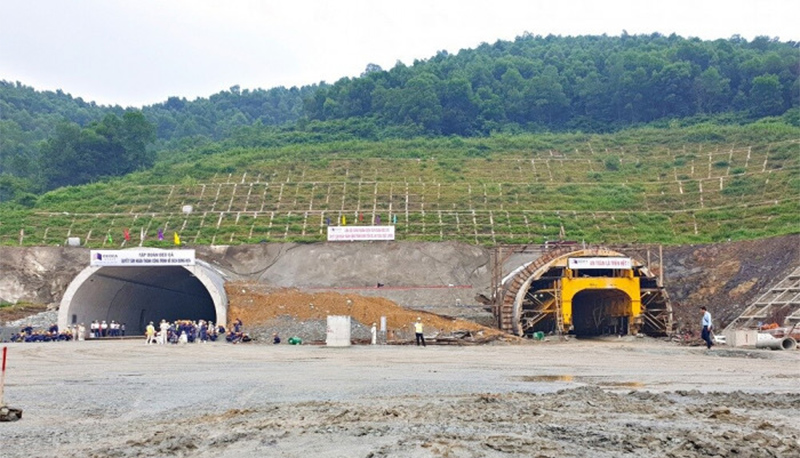
DEOCA Group, the pioneer of this “++” model, is a typical case study for this organizational method, drawing from its extensive project experience. Starting with the DEOCA Road Tunnel project, even when the legal framework for Public-Private Partnerships was incomplete, the enterprise flexibly applied a combination of BOT and BT mechanisms to implement a project valued at over 20,000 billion VND.
This was followed by a series of “bottleneck” projects such as the Cu Mong and Hai Van tunnels; the Cam Lam - Vinh Hao, Huu Nghi - Chi Lang, and Dong Dang - Tra Linh expressways; and recently, the Ho Chi Minh City - Trung Luong - My Thuan project, with a total investment of over 36,000 billion VND funded entirely by private capital. It is well-known that these projects share common requirements: high technical and safety standards, intense pressure on timelines and cash flow, and the need for stable operational management capacity post-completion.
In general terms, the PPP++ approach can be understood through three “disciplinary locks”: the Progress Lock, the Cost Lock, and the Accountability Lock. These three locks prevent large-scale projects from falling into a familiar cycle: delays leading to cost overruns, cost overruns causing cash flow disruptions, and ultimately, the shifting of responsibility, leaving society to bear the risks.
Reporter: A frequently mentioned highlight of the PPP++ model is the role of the “Chief Architect” (Tổng công trình sư). In your view, what is the significance of this role in ensuring progress, cost control, and operational efficiency for large-scale infrastructure projects?
Dr. Le Xuan Nghia: In the PPP++ model, the role of the “Chief Architect” is of pivotal importance. This is because the project is organized as an integrated system in which the lead investor does not merely raise capital or sign contracts but must take responsibility for organizing the entire implementation process.
When a project involves multiple stakeholders - from investors, banks, and investment funds to contractors, suppliers, and operators- there is a critical need for a central point of coordination with sufficient capacity and accountability. As I mentioned earlier, without a “Chief Architect”, a project is highly susceptible to fragmentation. Each party may focus solely on their individual task - whether it be capital, construction, legal procedures, or operation, leaving no one fully accountable for the outcome.
Within the PPP++ framework, the “Chief Architect” is understood as the entity that designs the master plan and the implementation discipline from the very beginning. This role involves coordinating resources to ensure that the construction site, cash flow, supply chain, technical requirements, and progress are all perfectly synchronized. Furthermore, they control risks through clear resolution mechanisms and maintain end-to-end accountability until the project reaches stable operation, rather than stopping after construction. I want to emphasize that to “lock” progress and costs, one must first "lock" accountability, and to achieve that, a “Chief Architect” is indispensable.
The true value of this role lies not in the theory of the model, but in the operational results. For “bottleneck” projects such as tunnels and key arterial routes, the requirement is not just completion, but safe, smooth, and sustainable operation. When a project operates synchronously, “bottlenecks” are cleared, congestion is reduced, and traffic safety is improved. This is the fairest standard for evaluating any infrastructure investment model: whether the project delivers tangible, consistent daily benefits to society.
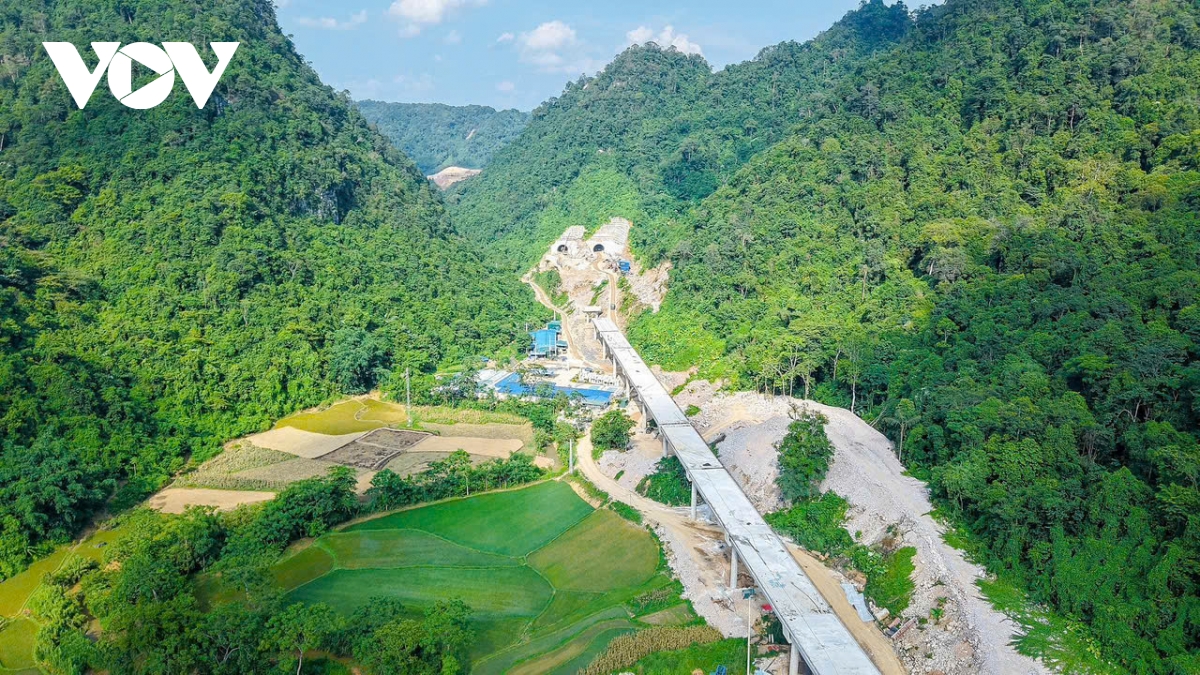
The Dong Dang – Tra Linh expressway is being urgently completed.
Reporter: Building on the experience gained from PPP++, DEOCA Group recently announced its expansion into the PPP++/BT++ model for PPP projects using Build-Transfer (BT) contracts, a move that is attracting significant attention. In your opinion, what are the prerequisites for this new PPP++/BT++ model to be implemented effectively, control risks, ensure transparency, and secure social consensus?
Dr. Le Xuan Nghia: As the demand for infrastructure development, particularly urban infrastructure, continues to grow, exploring the PPP++/BT++ direction is a logical step. This is especially true given that current land clearance and resettlement pressures are highly sensitive and complex. However, this model can only be effectively implemented within a strict framework, with clear prerequisites to control risks and build social consensus.
First, there must be transparency in payment and reciprocal mechanisms. Every value must be determined and monitored against specific, clear standards to avoid any perception of ambiguity or unfairness.
Second, oversight must be based on acceptance milestones and quality. This means that payments must follow deliverables, products must meet standards, and those standards must be strictly linked to the responsibility of each participating stakeholder.
Third, public benefits must be visible at every stage. As the project progresses, society should reap immediate benefits. This phased approach reduces skepticism and strengthens public support.
Another crucial factor in land clearance is that resettlement must be finalized beforehand. I emphasize that resettlement areas must be constructed first, with clear land funds, capital sources, construction schedules, and handover plans so that residents can “see” their new homes. When resettlement precedes clearance and creates peace of mind for the people, land clearance becomes smoother, thereby maintaining the project's overall pace.
In parallel, the project needs an appropriate construction strategy: implementing through phased investment and rolling construction (progressive completion). Priority should be given to segments with minimal conflict, avoiding simultaneous mass clearance if resettlement conditions are not yet ready. Creating “early deliverables” is vital for reinforcing trust and maintaining the project’s momentum.
In my view, the key is consensus. Consensus cannot be achieved through explanations alone; it is formed when people witness progress, quality, and guaranteed public benefits. From the success of projects applying PPP++, we can see the vital role of the “Chief Architect” in locking in progress, costs, and accountability. When expanding to PPP++/BT++, the requirements for transparency, oversight, and responsibility must be set even higher.
In conclusion, infrastructure is only truly meaningful when it integrates into daily life, making transportation smoother, safer, reducing congestion, and saving time and costs for society. To achieve that, regardless of the model applied, we must return to a very fundamental principle: Real action, real transparency, and real accountability.
News: Bich Lien