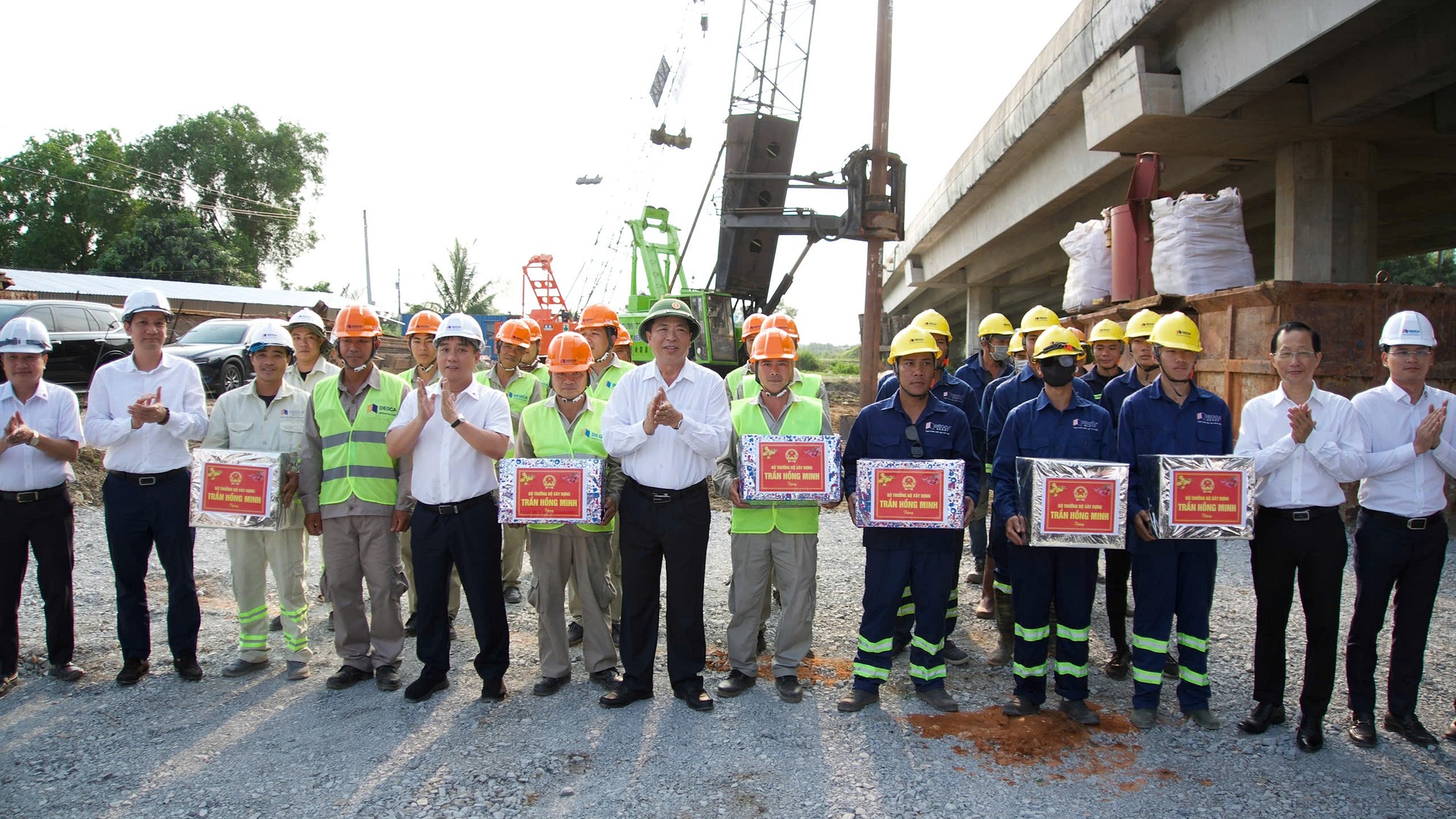


On the morning of July 24 in Hanoi, the Steering Committee for Dong Dang (Lang Son) – Tra Linh (Cao Bang) Expressway Project held a meeting to review the implementation of phases 1 and 2, discuss the implementation plan through the end of 2026, and identify key milestones and solutions to accelerate project completion.
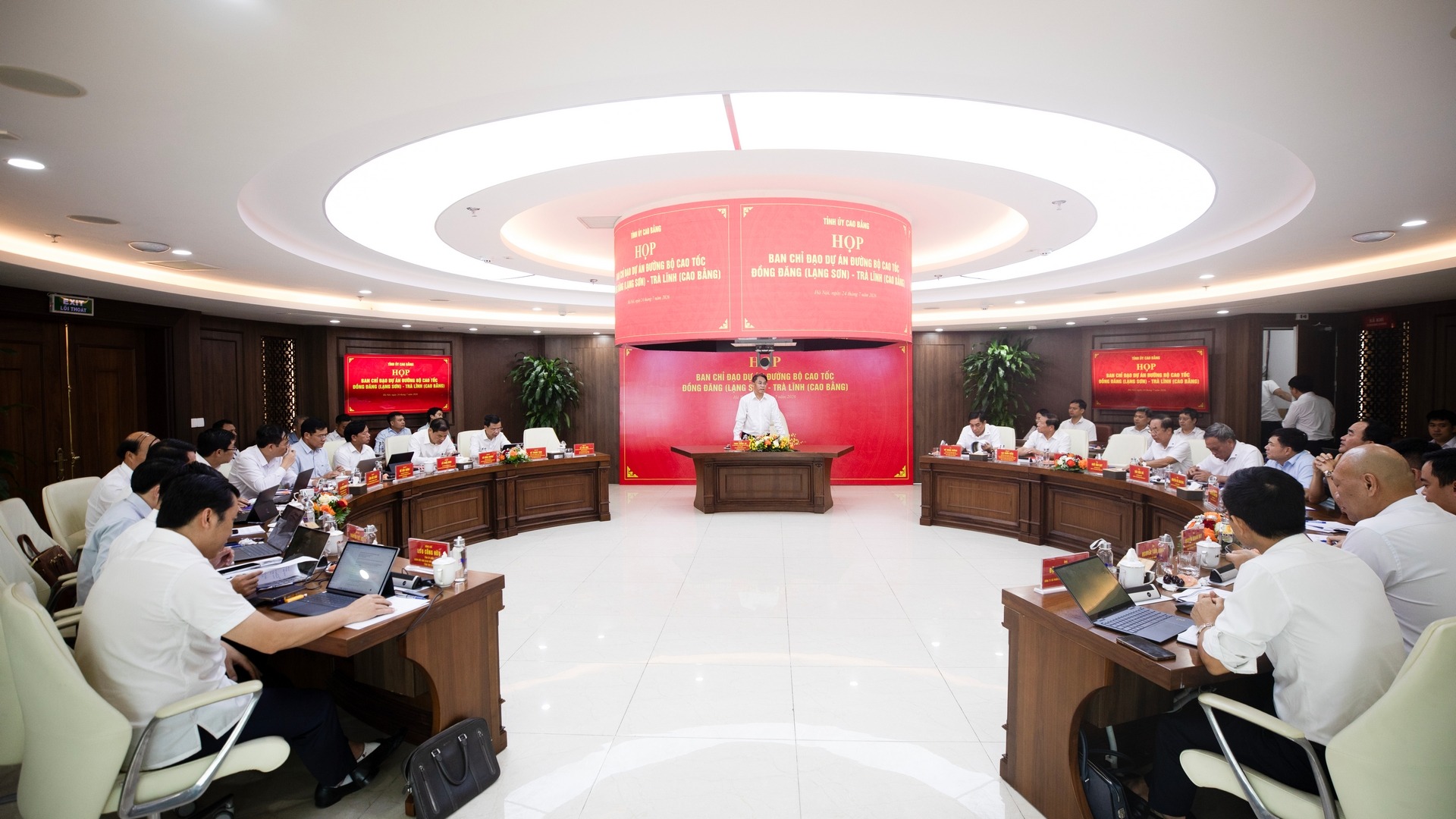
Overview of the meeting.
The meeting was chaired by Mr. Phan Thang An – Secretary of Cao Bang Provincial Party Committee, Chairman of Cao Bang Provincial People’s Council and Head of the Project Steering Committee.
Attending the meeting were Mr. Be Thanh Tinh – Standing Deputy Secretary of Cao Bang Provincial Party Committee and Head of the province’s National Assembly Delegation; Mr. Le Hai Hoa – Chairman of Cao Bang Provincial People’s Committee and Standing
Deputy Head of the Steering Committee; Mr. Ho Minh Hoang – Chairman of the Board of Directors of Deoca Group and Deputy Head of the Steering Committee, together with members of the Steering Committee and its Supporting Working Group.
Phase 1 construction output exceeds 76%
In his opening remarks, Mr. Phan Thang An affirmed that the project has gradually overcome a difficult period caused by fluctuations in fuel and material prices and must now make the most of available time to accelerate progress in response to the close attention of Party and State leaders.
“The people of Cao Bang are also eager to see the expressway completed soon, creating new momentum for local economic growth”, Mr. Phan Thang An said, adding that the project has developed several effective coordination models that have attracted other localities to visit and learn from its experience.
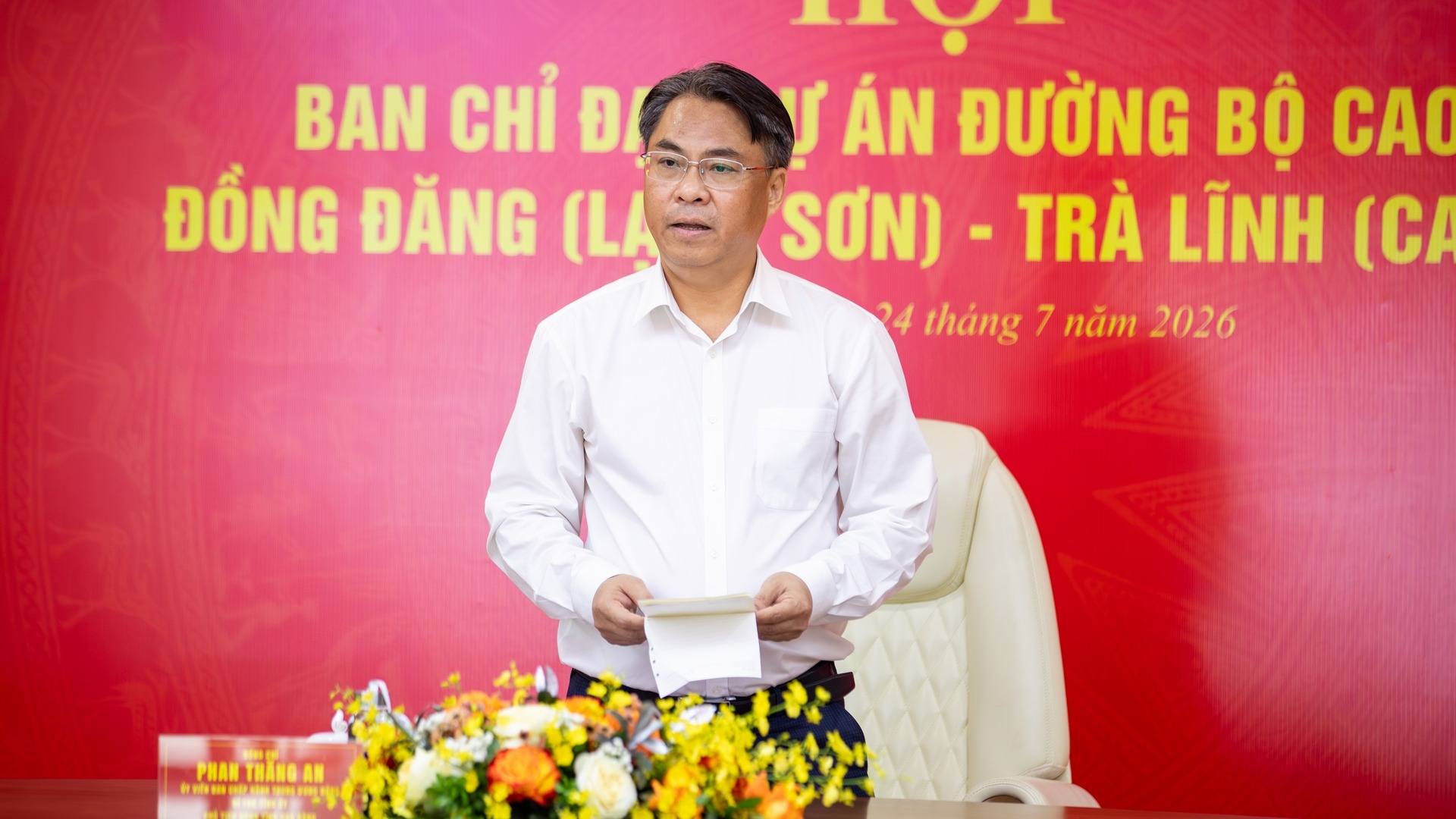
Mr. Phan Thang An – Secretary of Cao Bang Provincial Party Committee, Chairman of the Provincial People’s Council and Head of the Steering Committee – speaks at the meeting.
According to the Supporting Working Group, construction has continued to make positive progress. Despite unfavorable weather and volatile material prices, work across the entire route has been accelerated. Phase 1 construction output has reached approximately USD 338.8 million out of USD 442.9 million, equivalent to 76.48%.
For Phase 2, contractors are focusing on widening the roadbed from Km0+000 to Km93+350, while simultaneously constructing access roads, tunnel portals, girder casting yards and bored piles for bridges along the remaining 27.71-km section. Phase 2 construction output has reached approximately USD 23.8 million out of USD 320.9 million, equivalent to 7.4%.
Regarding site clearance, the land required for construction of the Phase 1 main route with a 17-meter-wide roadbed has largely been handed over. Lang Son and Cao Bang provinces are continuing site clearance for widening the route to a 22-meter roadbed. Relocation of technical infrastructure and power lines has been completed.
For Phase 2, however, handed-over areas remain fragmented and have not yet formed continuous sections suitable for synchronized construction. Cao Bang and Lang Son provinces need to identify each outstanding location, the underlying cause, the responsible authority and the completion deadline, while strengthening communication with residents and promptly addressing their legitimate concerns.
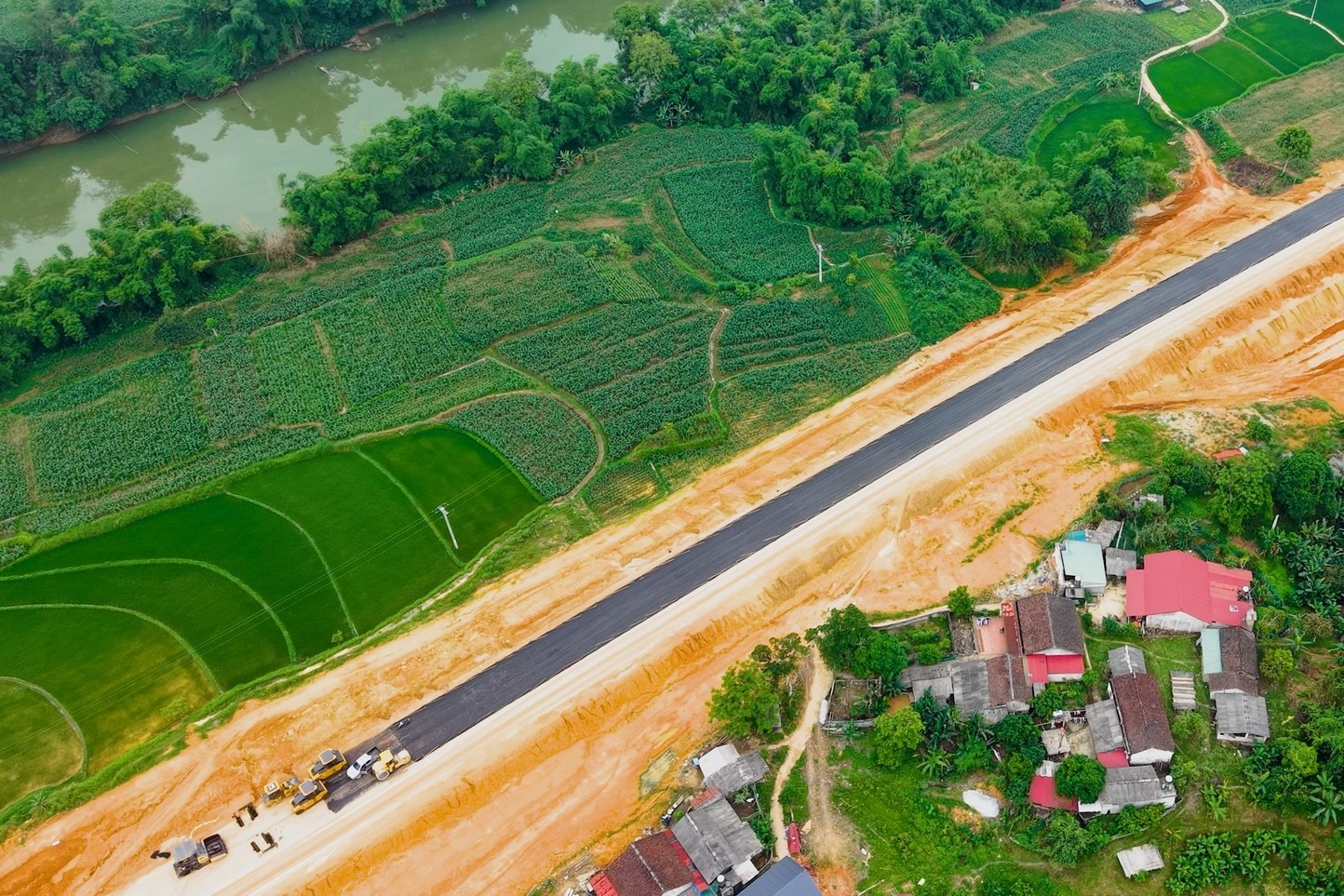
Phase 1 construction output has reached approximately USD 338.8 million out of USD 442.9 million, equivalent to 76.48%.
Alongside construction of the main route, an investment plan for the rest-area system was reviewed by Cao Bang Provincial People’s Council under Resolution No. 36/NQ-HDND dated June 19, 2025. Subsequent procedures concerning planning, land, investment, construction, environment, investor selection and operations will be carried out in accordance with applicable law and decisions of competent authorities.
Under the proposed plan, three rest stops will be developed at Km57+000, Km59+000 and Km121, covering a total area of 28.64 hectares. The investor is coordinating with relevant agencies to prepare detailed planning documents and feasibility studies for the rest areas as assigned. The preparation, appraisal, approval and implementation of these projects must comply with the appropriate authority, relevant planning schemes and regulations on investment, land, construction, environment, public assets and investor selection.
Regarding funding, the project was allocated more than USD 88.1 million in 2026, including approximately USD 54.0 million in additional funding recently approved under a decision by the Prime Minister. To date, more than USD 25.6 million has been disbursed, equivalent to 29.03% of the 2026 state budget allocation. The remaining state budget funding is expected to cover disbursement requirements only until before September 30, 2026; failure to secure additional funding in time would directly affect construction progress in the final months of the year.
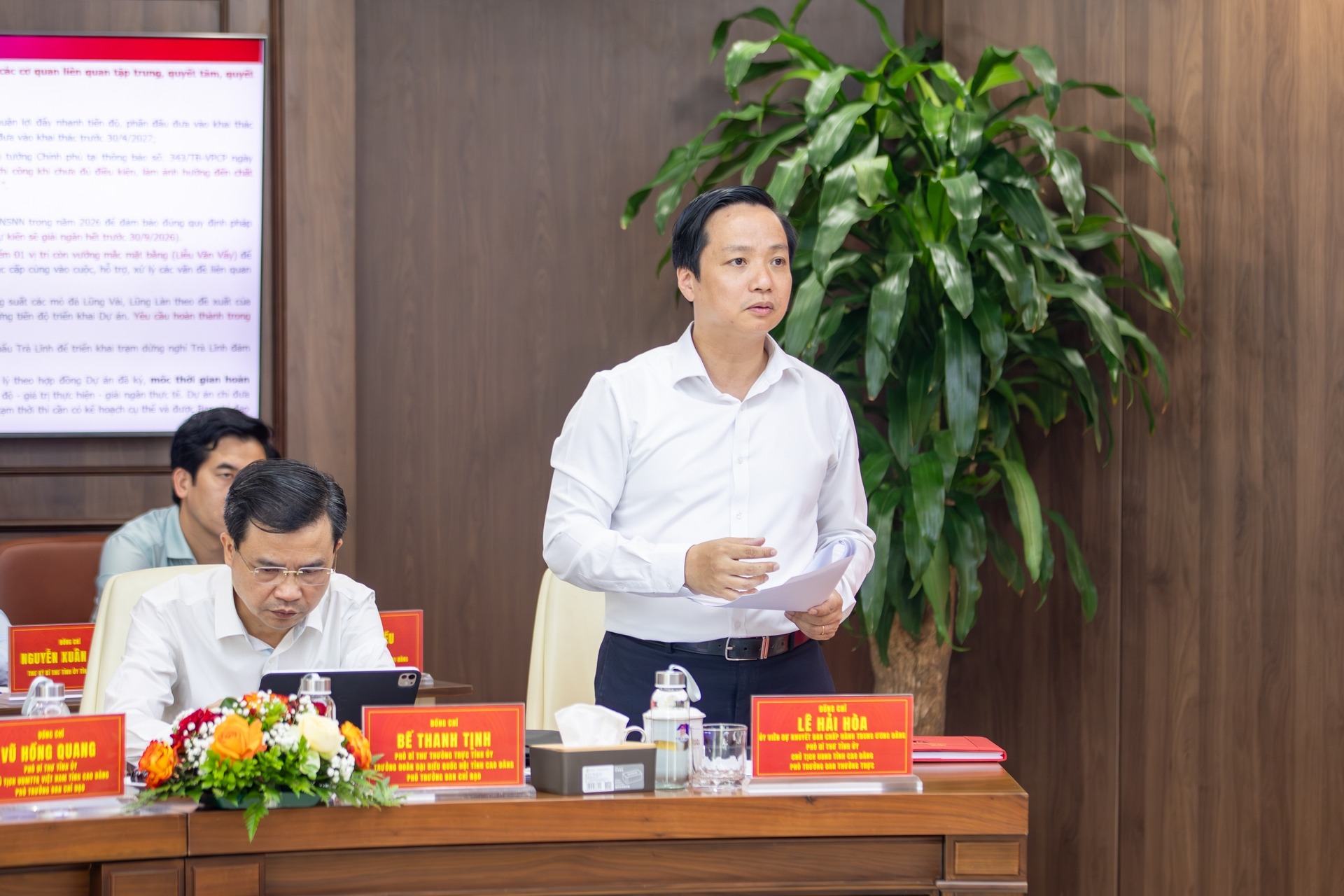
Mr. Le Hai Hoa - Chairman of Cao Bang PPC - speaks at the meeting.
To maintain project progress and maximize investment efficiency, the Supporting Working Group recommended that Cao Bang PPCurgently review capital requirements, funding structure, disbursement capacity and legal grounds, and coordinate with relevant agencies to report to competent authorities for consideration of an additional allocation of approximately USD 295.3 million in state budget funding still required for the project.
Any proposal for additional funding must remain consistent with the approved investment policy, project contract, total investment, approved funding structure and resolutions and decisions of competent authorities.
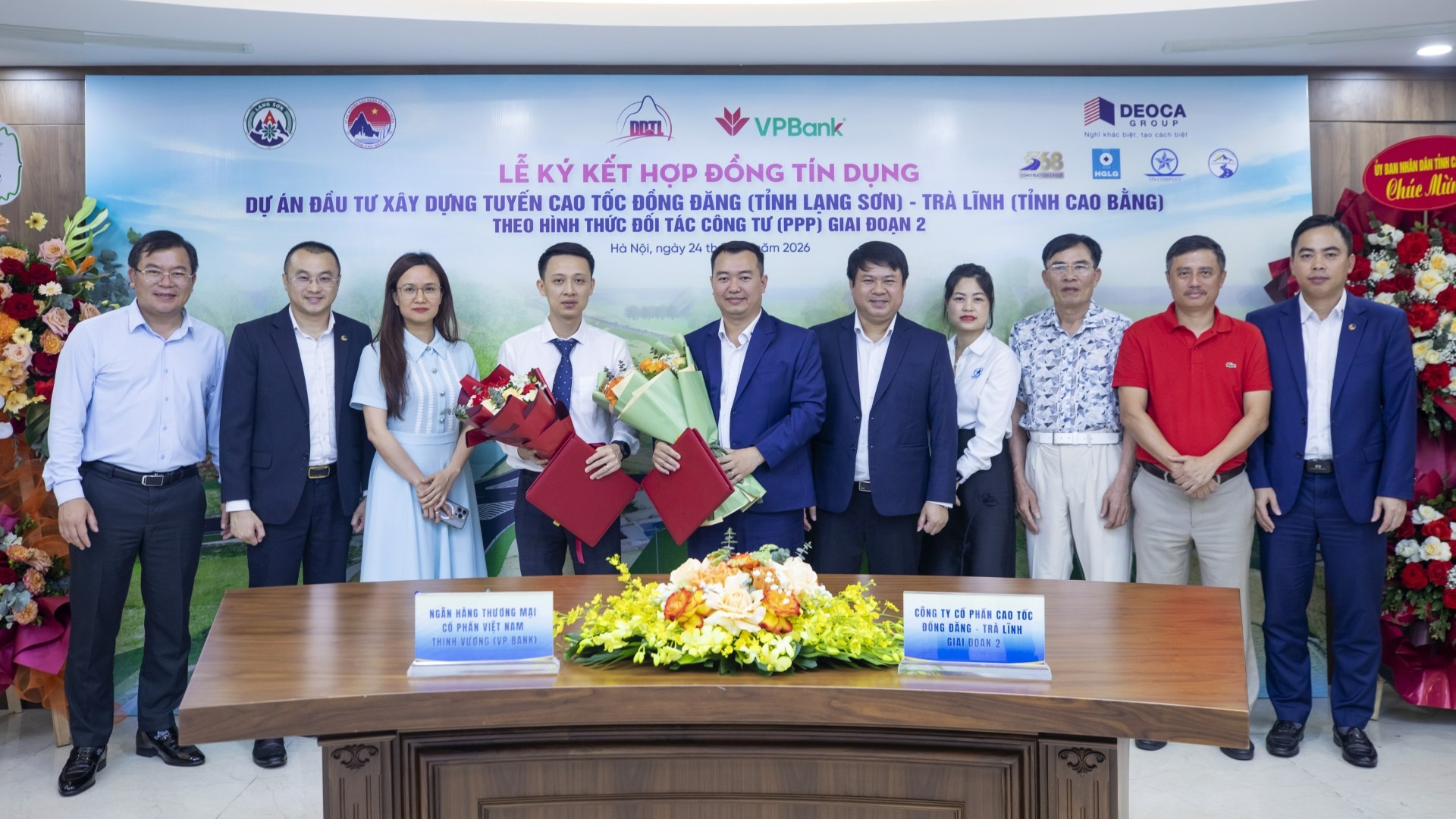
Regarding BOT capital, Phase 1 has largely secured sufficient equity, loans and business cooperation capital to meet construction requirements. According to the investor, the Phase 2 BOT financing plan includes approximately USD 53.6 million in credit financing and at least USD 54.5 million from other lawful funding sources.
Confirmation that sufficient funding has been arranged will be based on credit commitments, documents proving equity contributions, capital mobilization agreements and verification by competent authorities.
Discussing this issue, Mr. Le Hai Hoa, Chairman of the Cao Bang Provincial People’s Committee, noted that the Central Government’s recent issuance of various directives and special credit mechanisms for infrastructure projects demonstrates the significant challenges businesses currently face in raising capital.
“Against that backdrop, the fact that the project has been able to secure credit financing demonstrates the strong credibility of the investor,” Mr. Le Hai Hoa affirmed.
Overcoming a series of challenges
Since its implementation began, Dong Dang – Tra Linh Expressway has undergone several adjustments to its scale and investment plan to gradually improve the project and ensure consistency across the entire route.
Under the Phase 1 plan, the roadbed was designed to be 17 meters wide along standard sections and 13.5 meters wide in areas with difficult terrain. In Phase 2, the project is being developed to its full-scale configuration with a 22-meter-wide roadbed, four traffic lanes and continuous emergency stopping lanes on both sides.
Following the Prime Minister’s direction in Official Dispatch No. 05/CD-TTg dated January 20, 2026, components originally phased under Phase 1 have been reviewed and adjusted to align with the project’s full-scale configuration.
According to preliminary calculations by the investor and relevant parties, simultaneous construction of the two phases could reduce demolition and reconstruction work, potentially saving more than USD 19.1 million in investment costs and shortening the project schedule. Official figures will be determined based on design documents, cost estimates, final accounts and appraisal results in accordance with regulations.
In addition to changes in project scale, construction has been carried out under particularly challenging terrain, geological and weather conditions. The route passes through high mountainous areas with rugged and heavily fragmented terrain and numerous steep slopes. Construction access roads are frequently disrupted, affecting material transportation, equipment mobilization and the organization of work fronts.
At the same time, contractors have had to address geological issues, material shortages, flooding and landslides.
In 2025 alone, storms and prolonged rainfall reduced the project’s actual construction time to only about four months, disrupting numerous work items despite contractors increasing manpower, machinery and equipment.
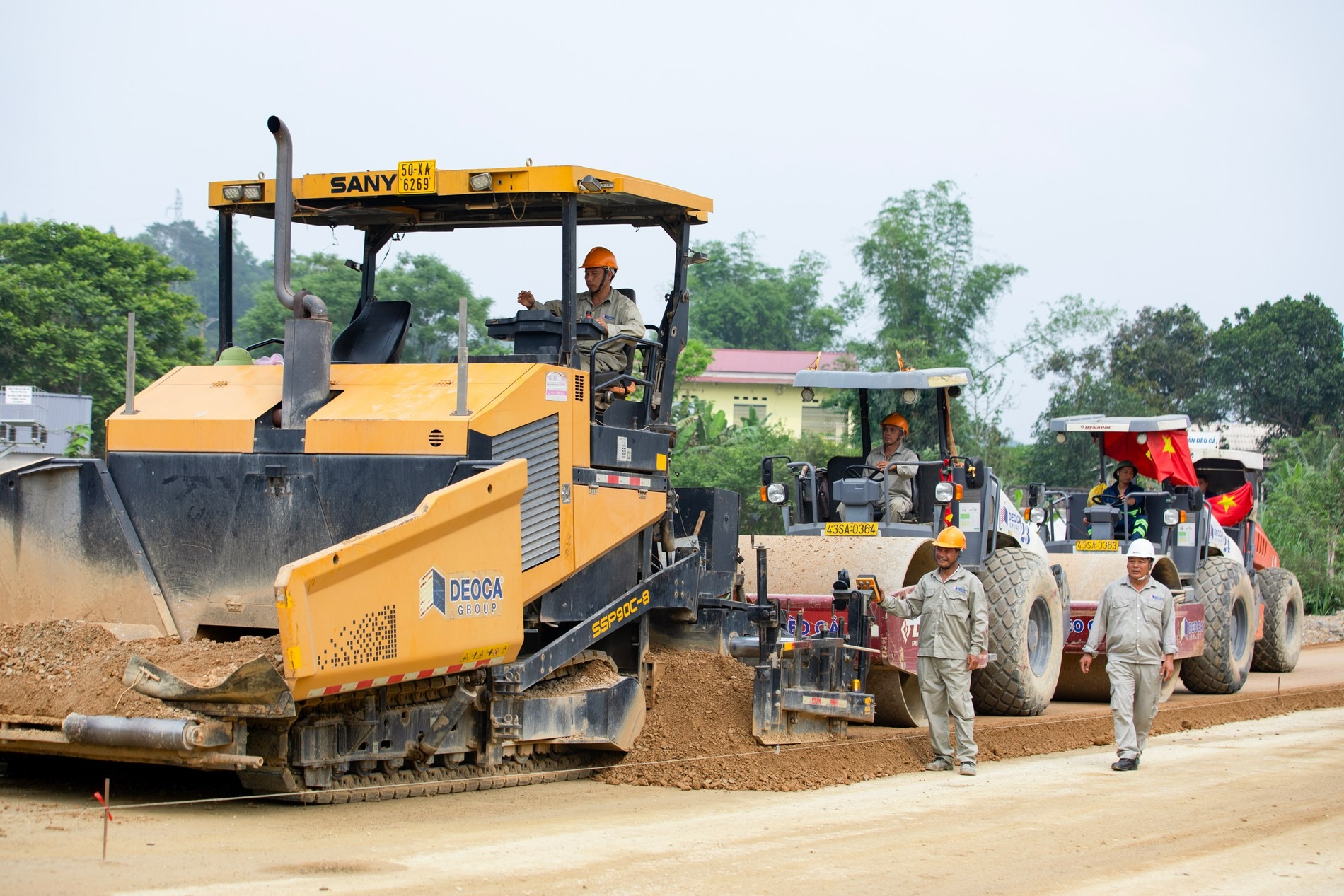
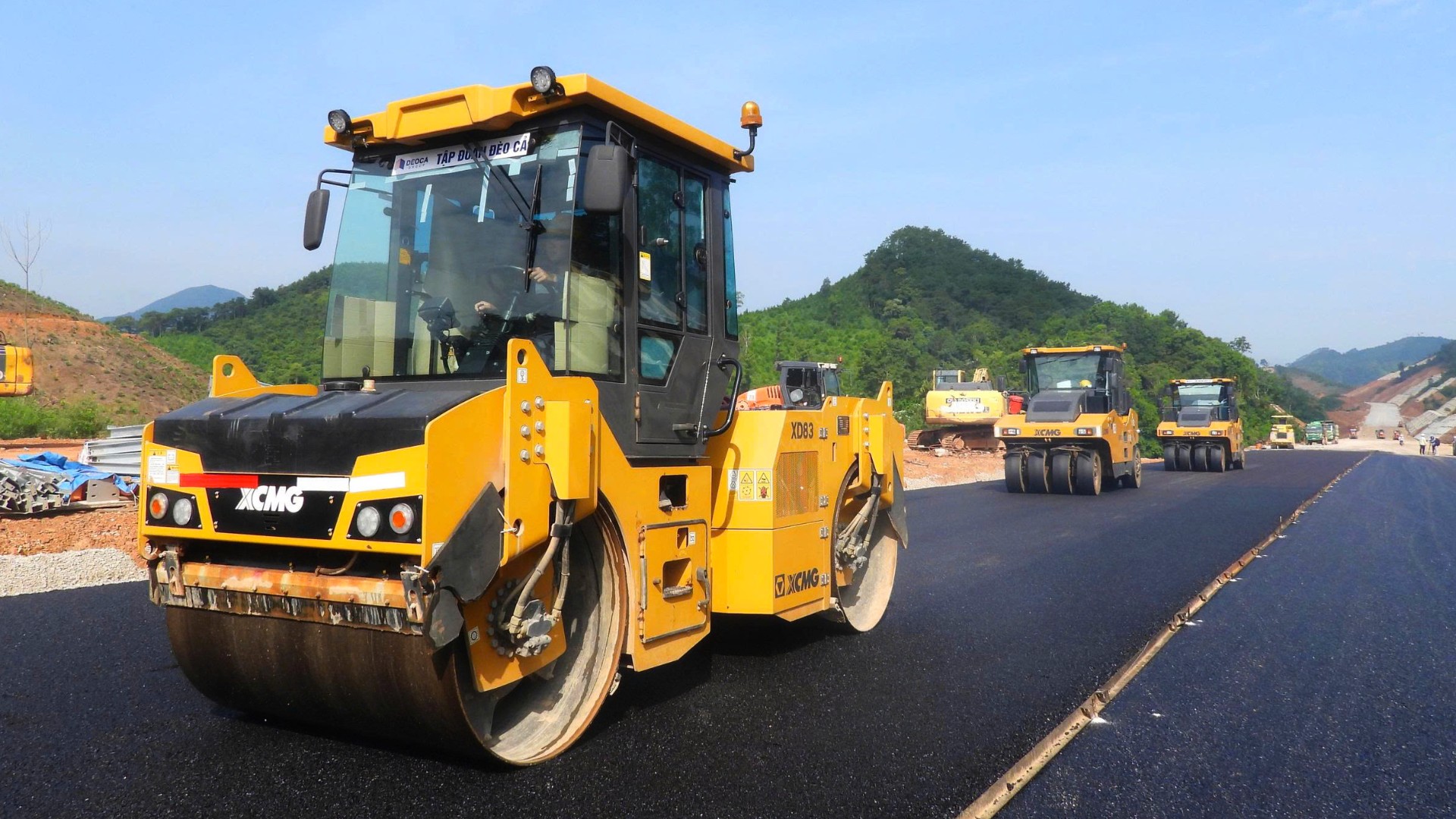
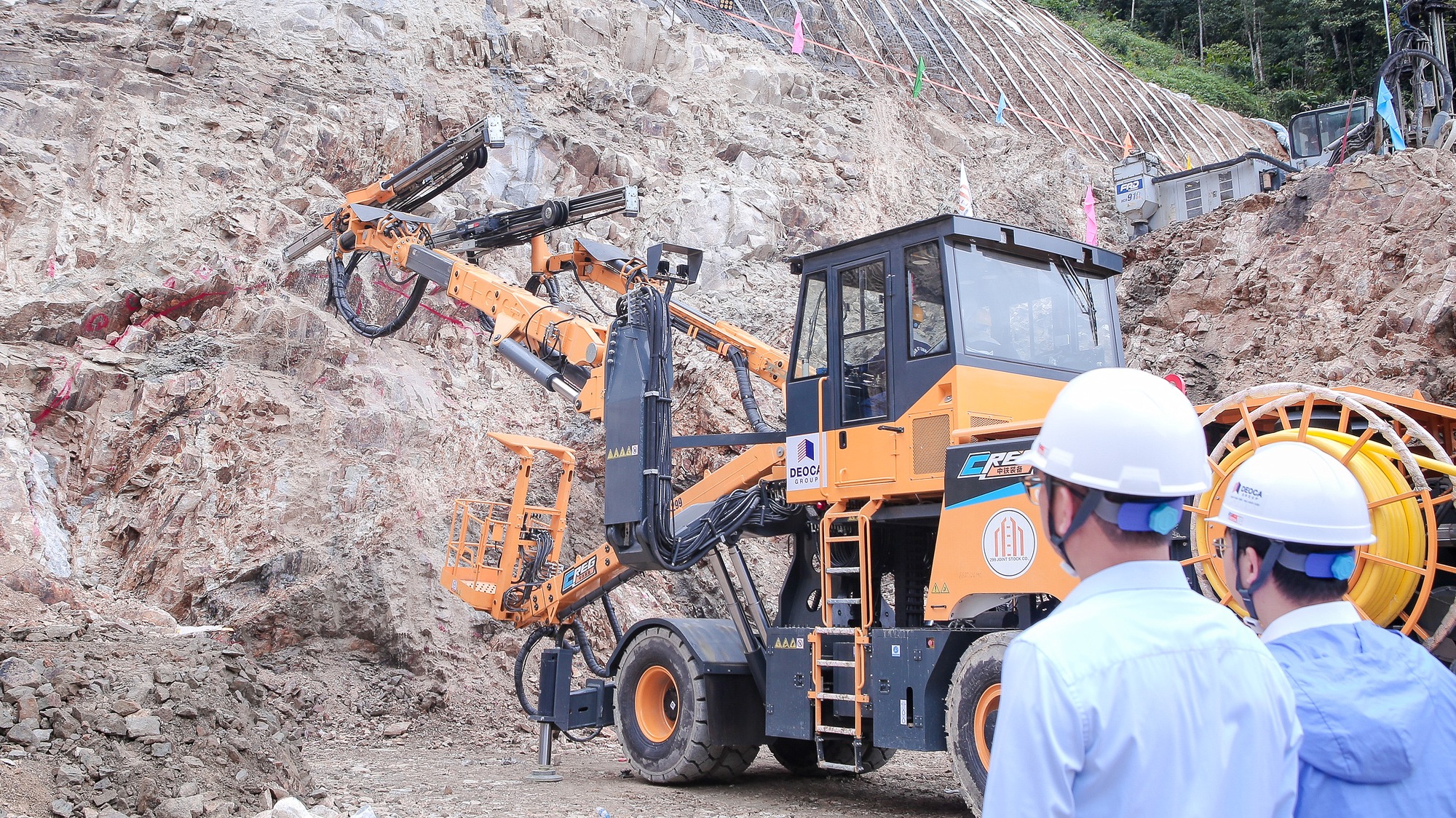
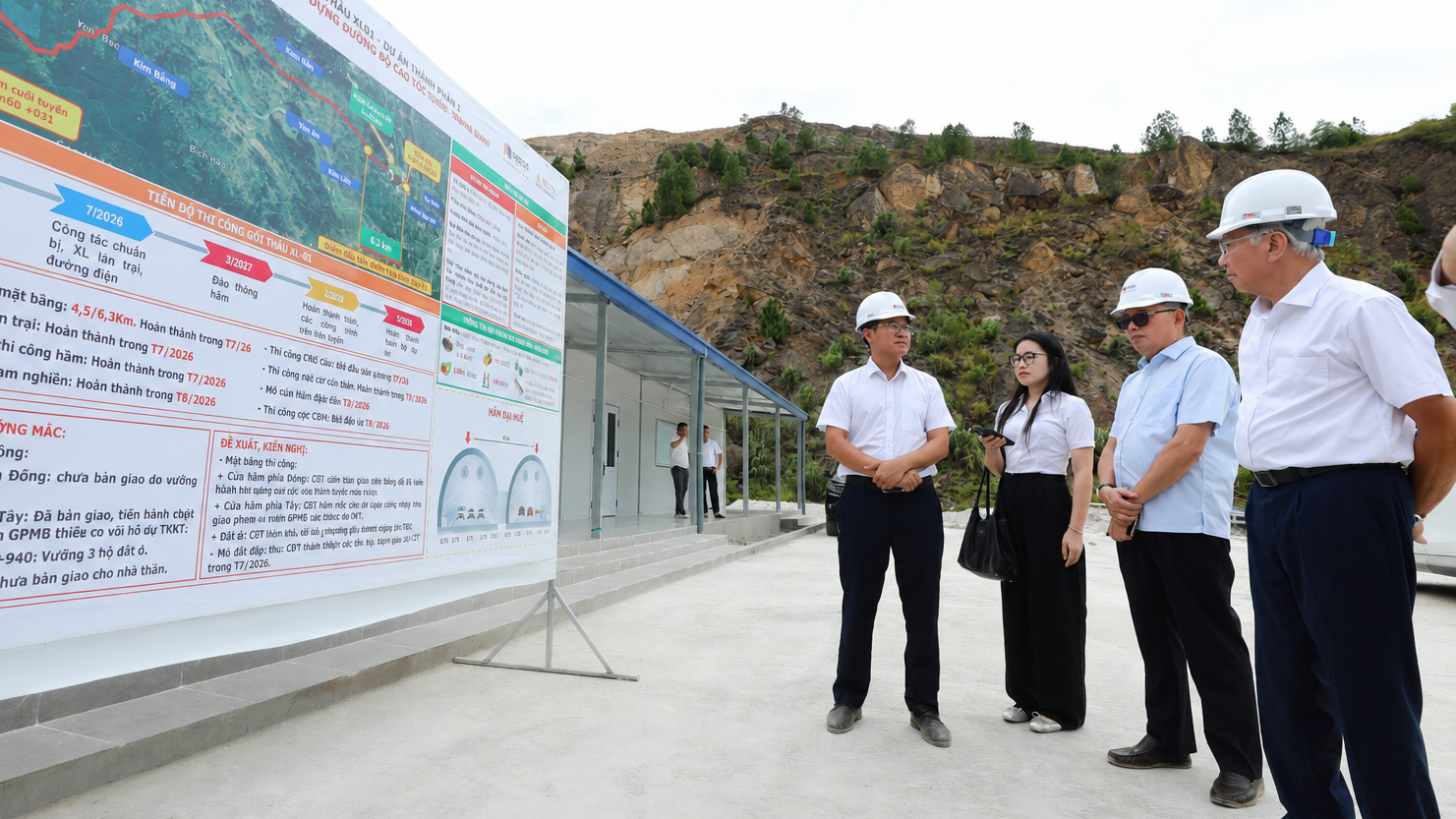
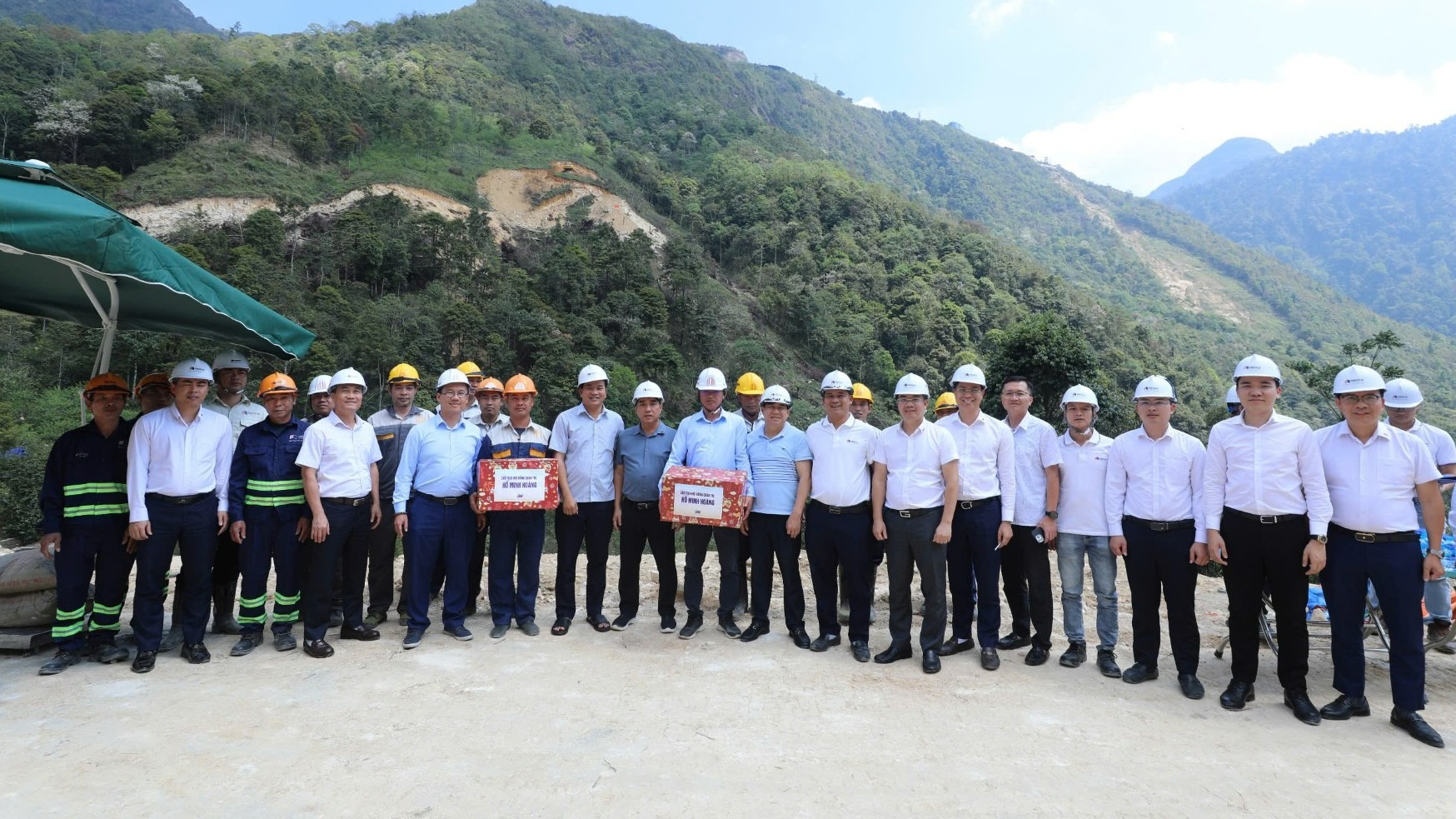
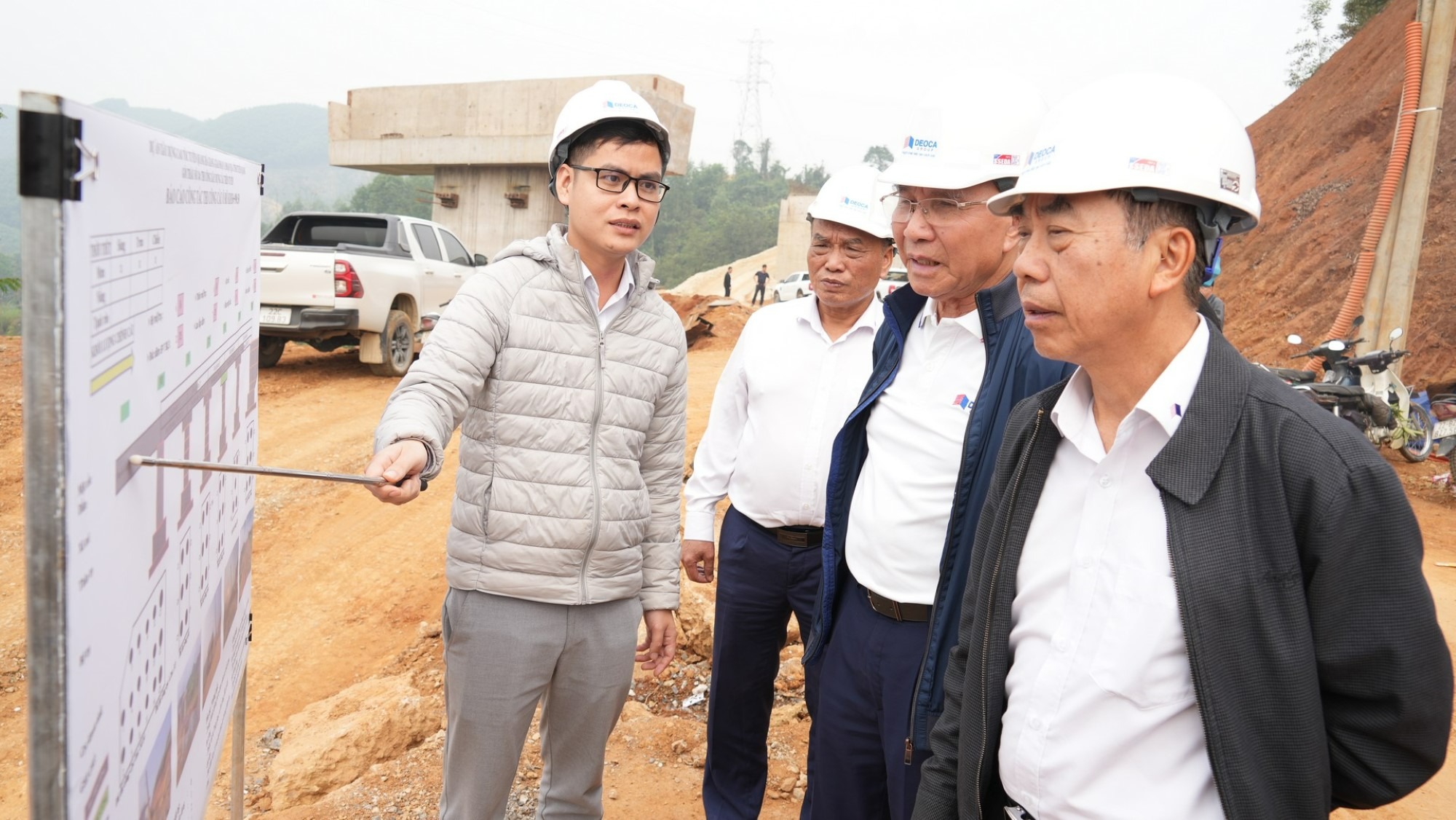
Construction underway on Dong Dang – Tra Linh Expressway project.
The project’s funding structure was also adjusted under the special mechanism provided by National Assembly Resolution No. 106/2023/QH15, which allows state capital participation in road PPP projects to account for up to 70% of total investment.While this adjustment provided a basis for resolving difficulties in the project’s financial plan, it also required additional procedures relating to capital allocation and disbursement.
Alongside difficulties involving terrain, geology, weather and funding pressure, international geopolitical volatility has significantly increased fuel costs, material transportation expenses and the cost of operating machinery and equipment at the construction site.
Changes in project scale, procedures and financing, together with objective factors including terrain, geology, weather, site clearance and rising fuel, material and transportation costs, have directly affected construction sequencing, requiring project milestones to be reviewed and updated in line with actual conditions.
Despite these challenges, the overall project schedule has still been shortened by six months compared with the original plan.
In the coming period, the parties will strive to complete construction and fulfill all necessary legal, technical, quality and safety requirements to report to competent authorities for consideration and approval of putting the section from Tan Thanh to Dong Khe, developed with a 22-meter-wide roadbed, into operation under a plan appraised and approved by competent authorities before the 2027 Lunar New Year.
The section may only be opened once all requirements relating to construction quality, traffic safety, operation, maintenance, rescue and emergency response, as well as other relevant legal conditions, have been fully satisfied.
The investor has proposed that toll collection not be implemented during the initial operation period. Whether toll collection will commence or remain temporarily suspended will be considered and decided by the competent state authority based on the financial plan, the PPP project contract and applicable law.
The parties agreed to strive to complete the remaining works of Phase 1 before April 30, 2027, and complete all Phase 2 construction works connecting to Tra Linh Border Gate in the first quarter of 2028, subject to the availability of funding, site clearance, materials and construction conditions, as well as completion of all required procedures.
Progress must not come at the expense of quality, safety and service life
At the meeting, the parties agreed that the key responsibility is to complete the project as early as possible while adhering to the Prime Minister’s direction stated in Notice No. 343/TB-VPCP dated July 1, 2026:
“Schedule pressure must not lead to procedures or technical standards being overlooked, or construction being carried out before all necessary conditions are met, thereby compromising the quality, safety and service life of the project. Where necessary, the schedule must be reviewed and adjusted.”
Mr. Ho Minh Hoang, Chairman of the Board of Directors of Deoca Group, emphasized that to achieve the milestones set for this year, Cao Bang Province needs to establish specific deadlines for completing all site clearance work and a clear plan for allocating state budget funding.
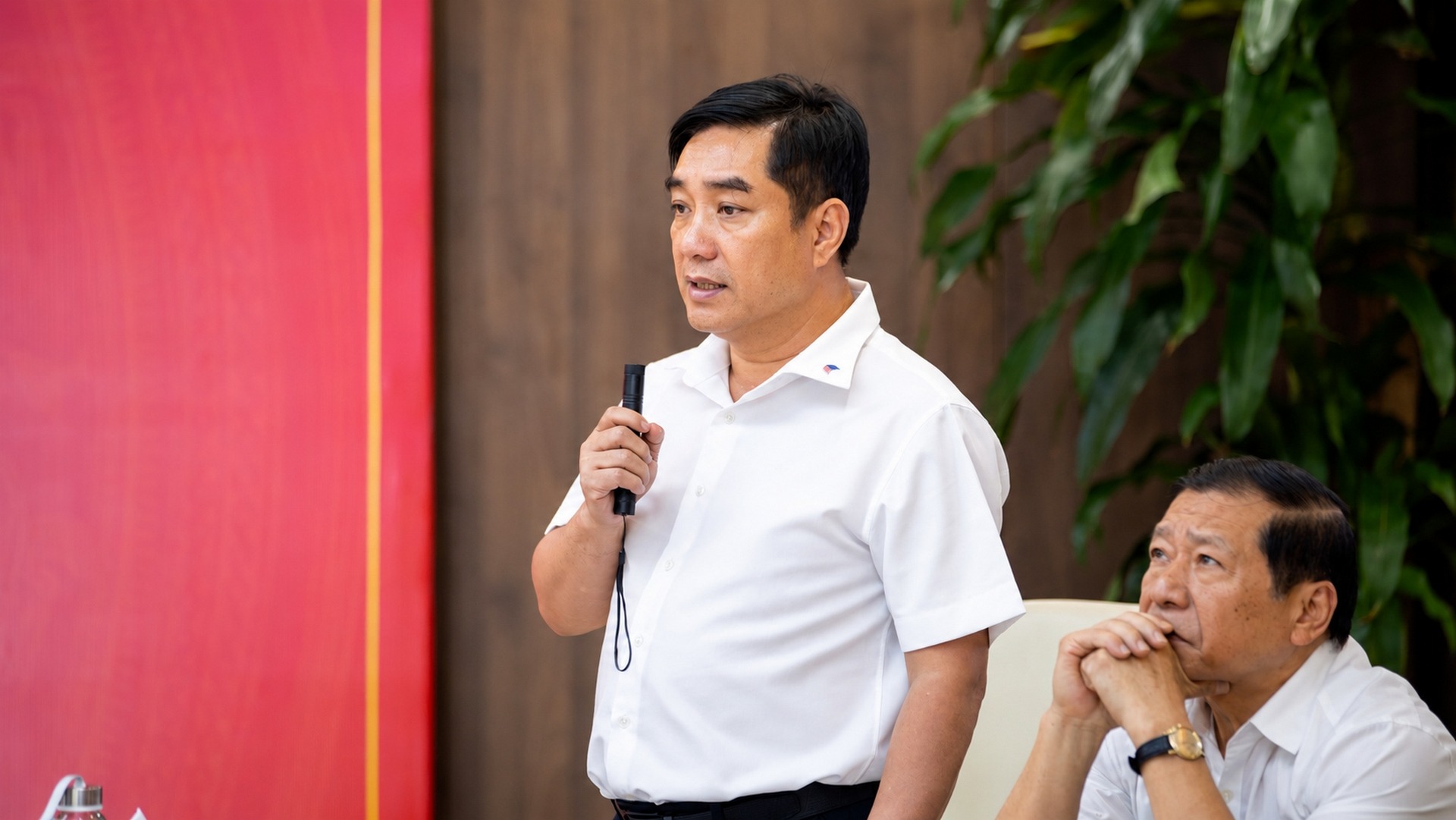
Mr. Ho Minh Hoang, Chairman of the Board of Directors of Deoca Group, speaks at the meeting.
Specifically, the investor representative recommended that Cao Bang Province promptly report to the Prime Minister and relevant ministries and agencies to seek the additional approximately USD 295.3 million in state budget funding still required for the project.
At the same time, procedures for acceptance, payment and disbursement of the newly allocated approximately USD 54.0 million in central government funding should be urgently completed, with a target of completion before September 30, 2026, while ensuring compliance with requirements concerning eligible beneficiaries, completed volumes, procedures and public investment fund management and payment regulations.
Regarding site clearance, Lang Son and Cao Bang provinces should review each unresolved location, classify issues by cause, clearly identify the responsible agency, unit and individual, and set deadlines for resolution. Urgent locations should be addressed in August 2026, while additional Phase 2 site clearance should be completed before December 31, 2026, in full compliance with procedures for land acquisition, compensation, support and resettlement.
Specialized agencies were also assigned to urgently review the legal documentation, reserves, extraction capacity, material demand, mining conditions and environmental protection requirements of the Lung Vai and Lung Lan quarries.
They will advise competent authorities on whether mining capacity should be adjusted or a special mechanism applied to the extraction of minerals used as construction materials for the project, where all necessary conditions are satisfied and in accordance with regulations.
The advisory process is targeted for completion in August 2026 to ensure sufficient materials for asphalt concrete construction.
Relevant agencies must also review whether proposed rest-area locations are consistent with provincial planning, border-gate economic zone planning, land-use planning and other relevant plans. Where adjustments are required, documentation must be urgently prepared, appraised, consulted upon and submitted to competent authorities for consideration and decision in accordance with prescribed procedures, ensuring operational requirements can be met once the project enters service.
Any extraction, adjustment of mining capacity or application of special mechanisms for material quarries must be limited to the scope, duration and volume strictly necessary to directly serve the project.
Extraction volumes, intended use, transportation, financial obligations, mining safety and environmental restoration must be strictly controlled, preventing special mechanisms from being misused for unauthorized mineral extraction, transfer or commercial trading.
“On the investor’s side, we will fully honor our commitments on schedule, quality, social welfare and counterpart funding for the project,” Mr. Ho Minh Hoang affirmed.
He added that if the investor proposes opening the first 63-km section ahead of the remainder of the project, it must prepare a specific plan clearly demonstrating compliance with technical and quality requirements, traffic safety, operations, rescue and emergency response, maintenance, vehicle management and financial arrangements, and submit the plan to competent state authorities for appraisal, consideration and decision in accordance with regulations.
The Steering Committee will review the proposal and provide direction and supervision within its assigned functions and responsibilities.
Any individual section may be considered for early operation only when it is capable of operating independently and has appropriate traffic connections; has been formally accepted in accordance with regulations; and is fully equipped with traffic signs, barriers, safety equipment, an operations center, traffic management plans, rescue and emergency response arrangements, fire prevention and firefighting systems, maintenance plans, turnaround points and qualified operating personnel.
No section may create dead ends, conflict points or safety risks for road users or vehicles.
Mr. Le Hai Hoa, Chairman of the Cao Bang Provincial People’s Committee, affirmed that gradually completing procedures and implementing the investment policy to develop the expressway to its full 22-meter roadbed configuration reflects the major efforts made by the two provinces, the investor and relevant agencies and organizations.
“Infrastructure projects such as the Dong Dang – Tra Linh Expressway directly contribute to local economic growth. The Party organization and people of Cao Bang are also very eager to see progress. We are therefore continuing to study a plan to put the first 63-km section into operation as early as possible,” Mr. Le Hai Hoa said.
Mr. Lai Xuan Mon – former Secretary of the Cao Bang Provincial Party Committee, former Standing Deputy Head of the Central Commission for Information, Education and Mass Mobilization, and Standing Vice Chairman of the Deoca Group Advisory Council – reiterated that project implementation must be viewed within the Central Government’s broader orientation of establishing seamless connectivity from Cao Bang to Ca Mau.
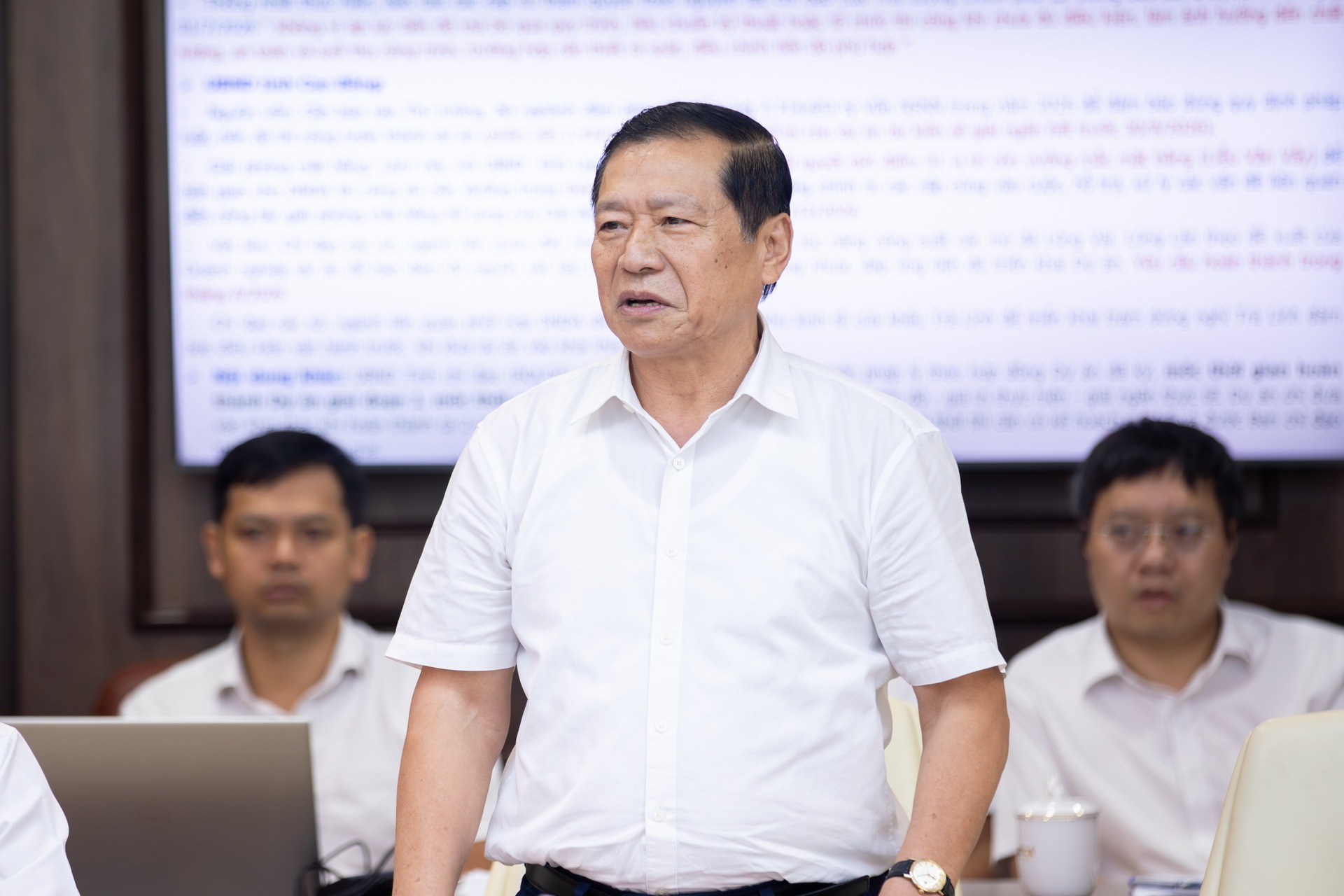
Mr. Lai Xuan Mon – former Secretary of the Cao Bang Provincial Party Committee, former Standing Deputy Head of the Central Commission for Information, Education and Mass Mobilization, and Standing Vice Chairman of the Deoca Group Advisory Council – speaks at the meeting.
Accordingly, the parties should not focus solely on completing individual sections but must develop a comprehensive, long-term plan for the entire project, clearly defining the roadmap from the present until the whole expressway is completed in a synchronized manner.
Concluding the meeting, Mr. Phan Thang An acknowledged and highly appreciated the efforts and sense of responsibility demonstrated by the investor and contractors throughout project implementation.
Despite numerous challenges arising from natural disasters, fluctuations in fuel and material prices, complex terrain and geology, as well as difficulties relating to site clearance and financing, the parties have proactively organized construction and maintained project progress.
The Head of the Steering Committee requested that the People’s Committees of Cao Bang and Lang Son provinces, the investor and relevant agencies and organizations, within their respective functions, responsibilities and authority, urgently address difficulties relating to site clearance, material sources, disposal sites, rest-area planning and state budget funding.
For each task, the lead agency, coordinating agencies, responsible individual, completion deadline and specific deliverable must be clearly identified.
Cao Bang Provincial People’s Committee will continue coordinating closely with central government agencies to review capital requirements, funding structure, disbursement capacity and legal grounds, and report to competent authorities for consideration of additional state budget funding, ensuring consistency with the investment policy decision, project contract, total investment, funding structure and budget-balancing capacity.
For any proposal to put individual sections into operation ahead of the entire route, the investor must prepare a separate dossier demonstrating full compliance with requirements concerning engineering, quality, traffic safety, operation, maintenance, rescue and emergency response, and financial arrangements, and submit it to competent state authorities for appraisal, consideration and decision in accordance with regulations.
The Steering Committee will perform its functions of direction, coordination, supervision, inspection and support in resolving difficulties, without replacing the state management authority of specialized agencies.
Throughout construction, the investor and contractors must pay particular attention to construction quality, occupational safety, traffic safety and environmental protection, while continuing to mobilize sufficient personnel, equipment, materials and financial resources to accelerate progress.
Under no circumstances may schedule pressure be allowed to justify bypassing procedures, standards or technical regulations, carrying out construction without the necessary conditions, or putting the project into operation before all requirements have been met. Construction quality, safety, service life and investment efficiency must be fully safeguarded.
By Bac Hiep – Photos by Tran Binh