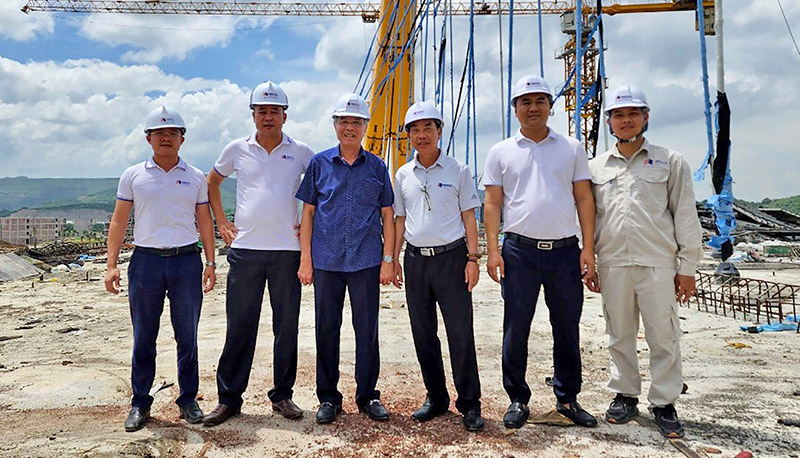


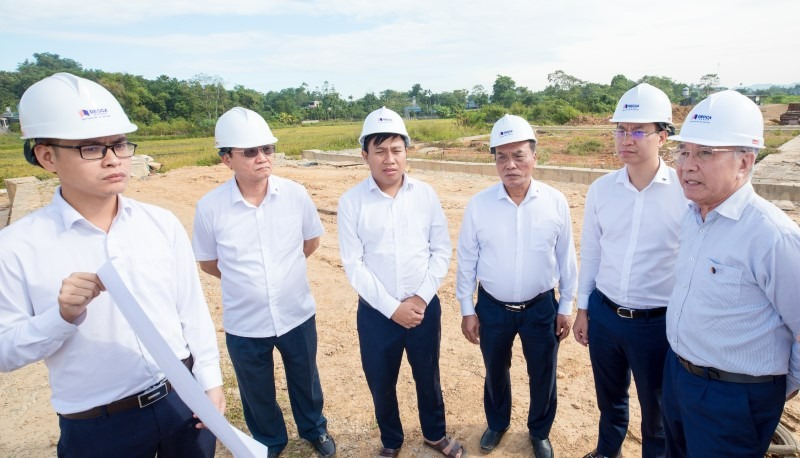
On April 2, the Deoca Group Advisory Council conducted a site inspection of the Huu Nghi – Chi Lang and Dong Dang – Tra Linh expressway projects, recommending proactive technical solutions and optimized construction planning to ensure safety and stability during the final sprint amid soaring material prices.
The delegation included Advisors Mr. Tran Chung, Mr. Bui Van Ha, and Mr. Ngo Van Quy, along with representatives from the Group, project enterprises, and contractors.
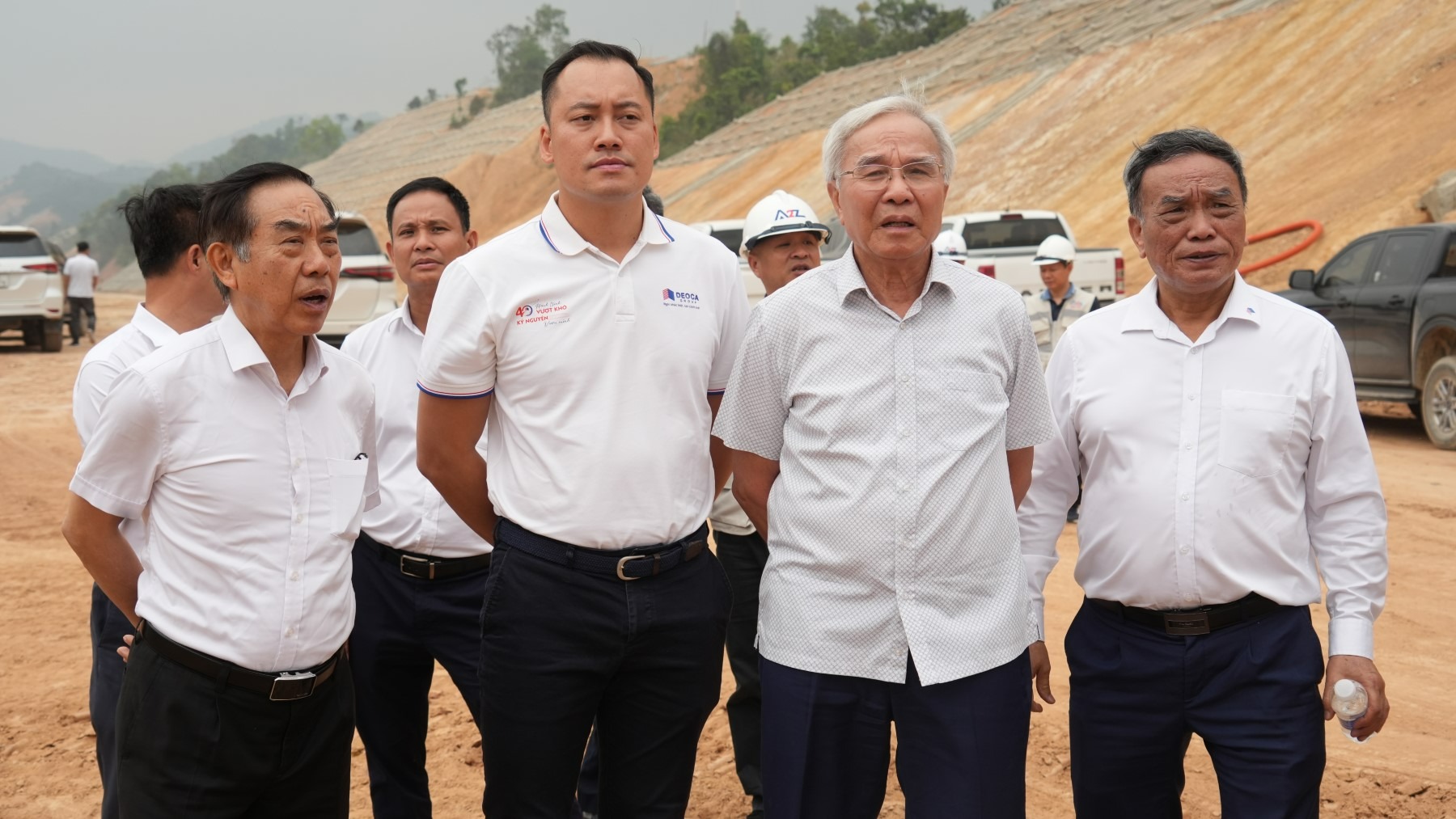
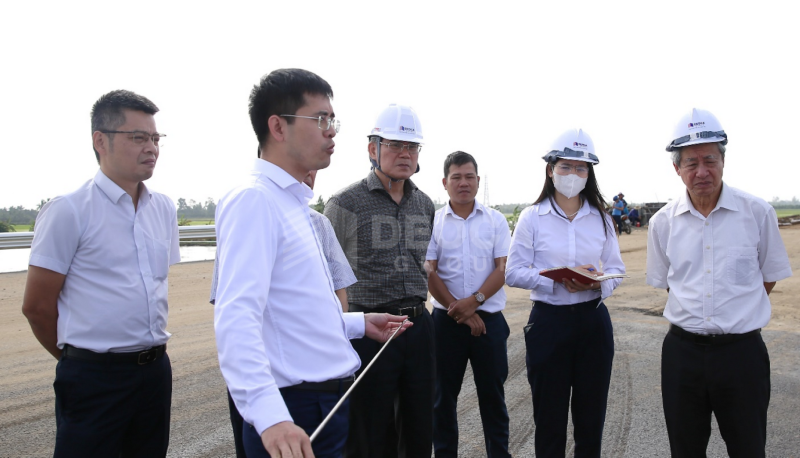
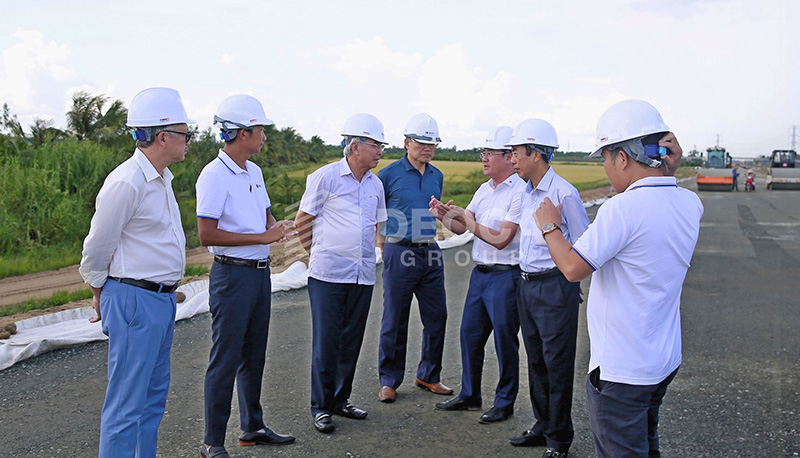
The delegation at the construction site.
At the Huu Nghi – Chi Lang Expressway Project, the delegation conducted on-site inspections along various sections and reviewed progress reports from the project enterprise. The project is currently deploying 131 work fronts, with nearly 2,600 personnel and 1,195 machines and equipment. Completed output has reached VND 5,231 billion out of VND 7,949 billion, equivalent to 65% of the contract value.
Following the Lunar New Year, construction activities have proceeded smoothly, creating momentum to complete key components ahead of the May 19 milestone. However, since late February, material prices have surged sharply by approximately 132% compared to the end of January 2026, significantly affecting construction progress, increasing transportation costs, and placing pressure on contractors.
According to the plan, by May 19, the project will complete a 27-km from the endpoint of the Bac Giang – Lang Son Expressway to IC03 Interchange, connecting to National Highway 4B on the outskirts of Lang Son City.
“The project is increasing shifts and mobilizing additional resources to execute rolling construction across work items, while closely monitoring critical path sections to ensure overall progress,” Mr. Luong Van Hiep, General Director of the project enterprise, said.
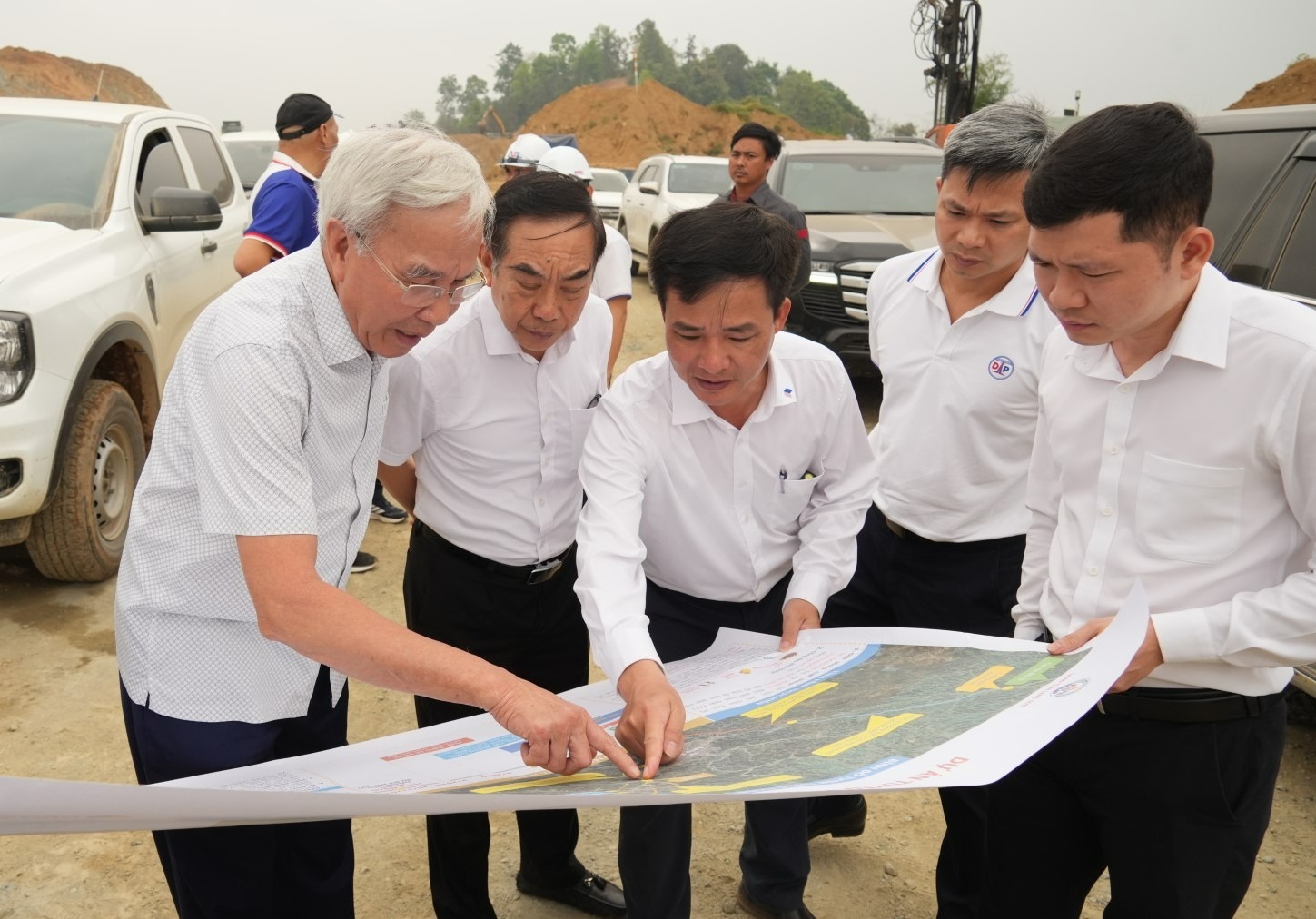
Advisors also highlighted key risks that require strict control, including material price volatility, the risk of embankment and slope failures, and complex geological conditions.
Through direct inspections of critical points and technically challenging locations, the Advisory Council acknowledged the efforts of engineers and workers in implementing mitigation measures. At the same time, it recommended adopting systematic and proactive solutions, particularly in securing material supply, to ensure progress, labor safety, and construction quality.
At the Dong Dang – Tra Linh Expressway Project, the delegation noted a vibrant and intensive construction atmosphere across the entire route. The project is currently operating more than 131 work fronts, with nearly 900 machines and equipment and over 2,000 personnel, maintaining round-the-clock construction on cleared sections. Completed output has reached approximately VND 8,000 billion out of VND 11,470 billion, equivalent to 70% of the contract value.
As scheduled, by May 19, the project will achieve technical opening of a 62-km from Dong Dang Border Gate (Lang Son) to Dong Khe Commune (Cao Bang). Remaining sections will be opened at subgrade level, except for two localized areas affected by flooding in 2025.
Amid shortages and sharp increases in material prices, investors and project enterprises have submitted official requests to the Cao Bang Provincial People’s Committee and relevant authorities for support to ensure continuous construction. Fuel supply for the project has now been largely secured; however, price surges remain uncontrolled and far exceed the contingency allowances in the total investment.
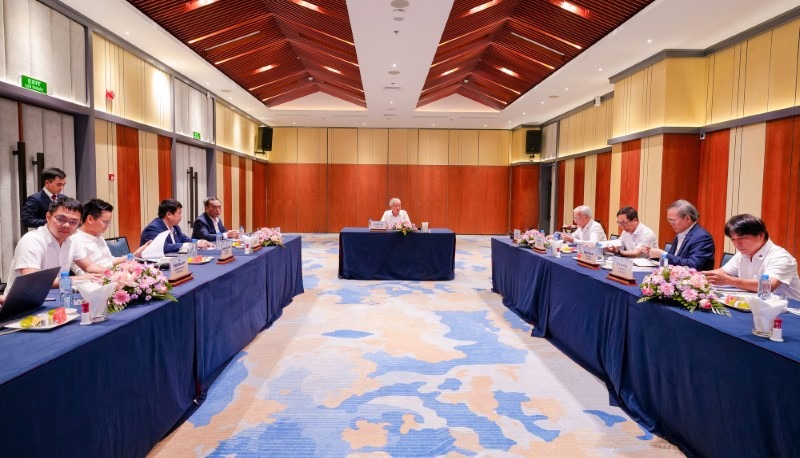
Concluding the meeting after the inspection, the Advisory Council commended the efforts of the project enterprises and management boards in maintaining construction momentum following the peak phase of route connection at the end of 2025.
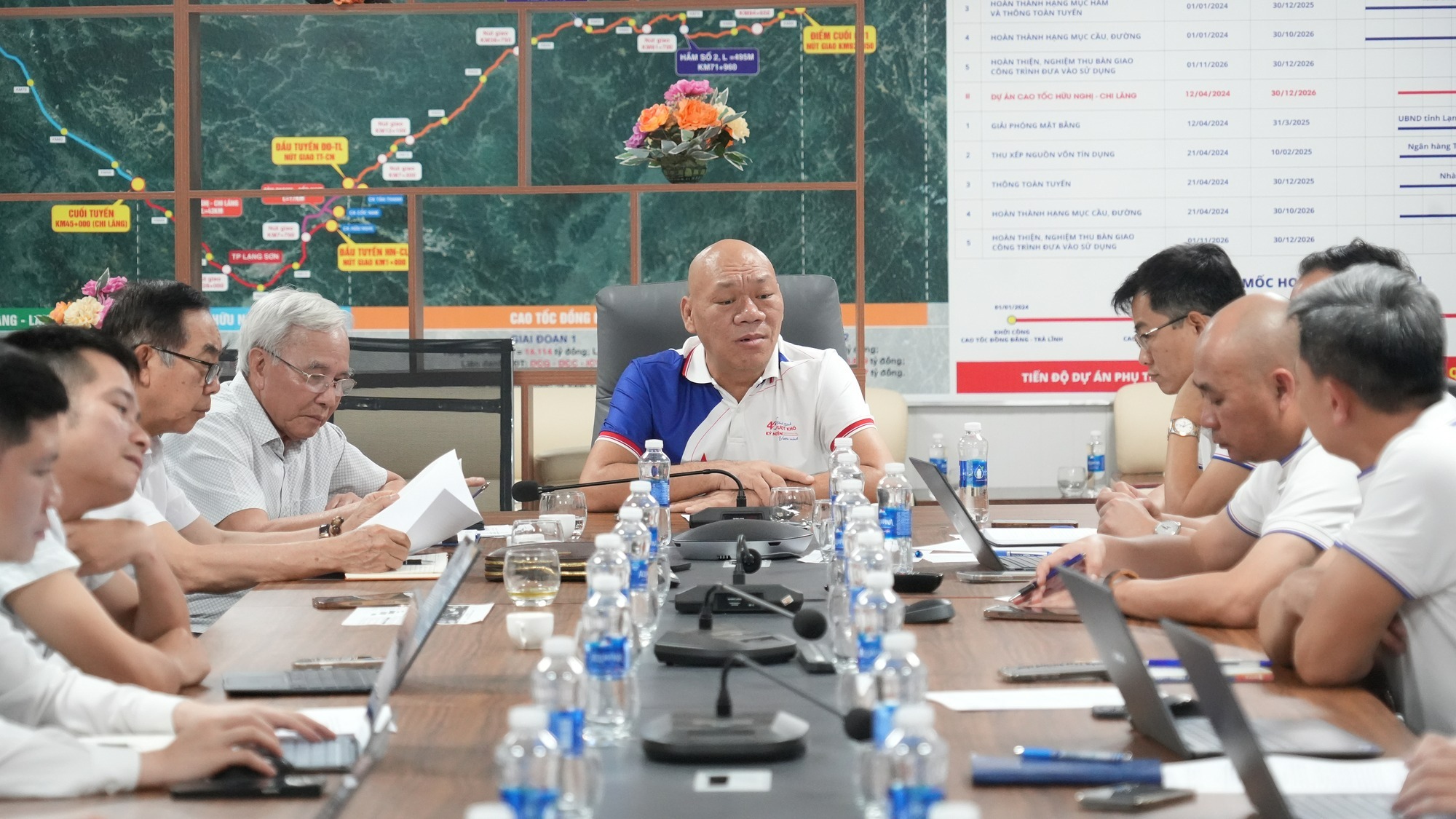
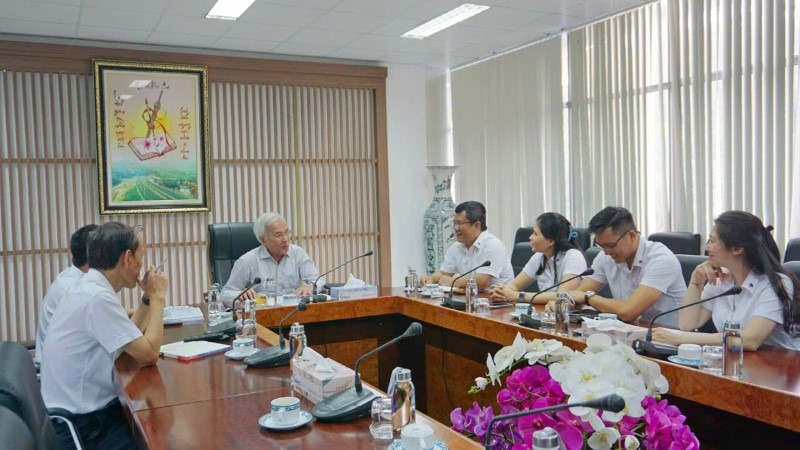
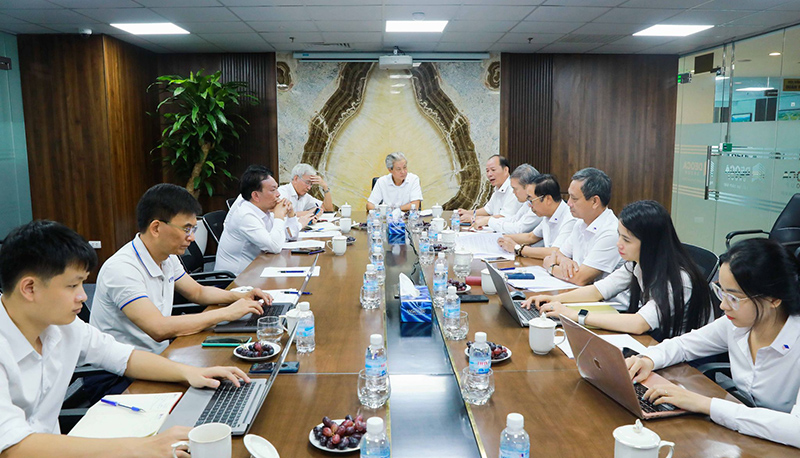
The delegation’s meeting.
However, advisors emphasized the need to closely control major challenges, including material price fluctuations, slope instability risks, and complex geological conditions—especially in karst areas.
Mr. Ngo Van Quy highlighted the significant pressure caused by material price volatility and recommended that both projects coordinate with competent authorities to develop flexible price adjustment mechanisms to mitigate risks for investors.
From a safety perspective, Mr. Bui Van Ha recommended strengthening site barriers, restricting public access to construction areas, and installing additional signage at intersections to ensure security and safety during the final construction phase.
On technical aspects, Mr. Tran Chung noted that a substantial workload remains ahead. He urged project management teams to focus on three key issues: landslide prevention, karst treatment, and subgrade stabilization - particularly in high embankment sections. Additionally, drainage systems along the route should be closely monitored to promptly detect and prevent potential risks during the rainy season.
Regarding construction management, he recommended that project teams strictly adhere to detailed daily and weekly schedules, while clearly assigning responsibilities to individuals within project enterprises, contractors, and supervision consultants to remove bottlenecks and accelerate progress during this critical phase.
By Bac Hiep – Photos by Tuan Linh

-1.jpg)